Chasing the Light: Iceland’s Wild Beauty Through My Lens
Reykjavik isn’t just the world’s northernmost capital—it’s a gateway to some of Earth’s most jaw-dropping natural wonders. From steaming geothermal fields to black sand beaches shaped by ancient volcanoes, every mile outside the city feels like a scene from a dream. As a travel lover who’s walked on glaciers and soaked in lava-formed hot springs, I’ve seen how Iceland transforms casual visitors into lifelong nature believers. This journey isn’t about ticking boxes—it’s about feeling the raw power of the planet, one breathtaking vista at a time. The air here carries a crisp clarity, the sky stretches endlessly, and the land pulses with quiet energy. Whether standing beneath a thundering waterfall or watching icebergs drift under a twilight glow, Iceland doesn’t just impress—it reshapes your sense of what nature can be.
The First Glimpse: Arriving in Reykjavik and the Call of the Wild
Touching down at Keflavík International Airport, the first breath of Icelandic air feels different—clean, cool, and faintly metallic from the volcanic soil. Just a 45-minute drive away, Reykjavik greets visitors with colorful rooftops, cozy cafés, and a surprisingly intimate urban charm. Yet, even in the heart of the city, the wilderness is never far. Look west toward Mount Esja, its ridgeline shifting hues with the light, or gaze out across Faxaflói Bay where seabirds glide above calm waters. The contrast is striking: a compact, cultured capital nestled at the edge of an untamed landscape.
What makes this transition so powerful is how quickly civilization gives way to raw nature. Within an hour’s drive from downtown, you can stand on the edge of a lava field, hear the distant rumble of a geyser, or feel glacial winds sweeping across open plains. This accessibility is one of Iceland’s greatest gifts. Families, solo travelers, and photography enthusiasts alike can begin their adventure without days of trekking. For many, the journey starts with a rental car and a sense of quiet anticipation. The roads are well-maintained, signage is clear, and the promise of solitude—of standing alone before a vast glacier or an empty beach—feels not like a fantasy, but an invitation.
Reykjavik serves as both a launchpad and a gentle introduction to Iceland’s rhythms. Locals speak of “weather windows”—brief stretches of calm between storms—and plan accordingly. Cafés buzz with travelers checking radar apps, while outdoor gear shops stay busy year-round. There’s a shared understanding: nature sets the pace. This mindset, rooted in respect and preparedness, becomes part of the journey itself. By the time you leave the city behind, you’re already beginning to slow down, to look more closely, to listen. The wild isn’t just outside—it’s starting to shape the way you travel.
Golden Circle Unfiltered: Beyond the Tourist Trail
The Golden Circle is often the first major route taken by visitors, and for good reason. It combines geological wonder, historical significance, and visual drama in a single day’s drive. But to experience it fully, it’s essential to move beyond the checklist mentality. Thingvellir National Park, a UNESCO World Heritage Site, is not merely a scenic stop—it’s where the North American and Eurasian tectonic plates slowly pull apart. Walking through the Almannagjá gorge, you’re literally tracing the seam of a continent. The silence here is profound, broken only by wind and the occasional call of an Arctic tern. Interpretive signs explain the science, but the real impact comes from standing in a rift valley formed over millennia, knowing the earth is still moving beneath your feet.
Next is the Geysir geothermal area, home to the original geyser that gave all others their name. Though the Great Geysir now stirs only occasionally, its neighbor Strokkur erupts faithfully every few minutes, shooting boiling water up to 30 meters into the air. The ground trembles slightly with each burst, and the scent of sulfur lingers in the air—a reminder of the immense heat below. Early morning or late evening visits offer the best light for photography and fewer crowds. Mist rises from fumaroles, steam curls into the sky, and the landscape feels alive, almost breathing.
The journey culminates at Gullfoss, a two-tiered waterfall where the Hvítá River plunges into a deep canyon with thunderous force. On sunny days, rainbows arc across the mist; on gray afternoons, the falls exude a raw, elemental power. Viewing platforms allow safe access, but even from a distance, the sound is overwhelming. This is nature uncontained—no dams, no diversions, just water carving its path through rock. To truly appreciate the Golden Circle, visit outside peak hours, consider a guided tour with a geologist, or return at different seasons. In winter, snow blankets the land, and steam rises from hot springs like ghostly whispers. In summer, wildflowers dot the hillsides, and the light lingers long into the evening. Each season offers a new layer of understanding.
The South Coast Saga: Where Ice Meets Ocean
Driving along Iceland’s southern coastline is like moving through a series of natural masterpieces. One moment you’re passing green pastures dotted with sheep, the next you’re facing a glacier tongue spilling down from the interior ice cap. The South Coast is where fire and ice converge—where volcanic forces shaped the land, and glacial rivers continue to sculpt it. Jökulsárlón Glacier Lagoon stands as one of the most iconic sites, a lake filled with icebergs calved from the Breiðamerkurjökull glacier. These fragments drift slowly toward the sea, catching the light in shades of blue, white, and silver. Some wash up on the nearby Diamond Beach, where they glisten like jewels on black volcanic sand.
The contrast is surreal—glacial ice, formed over centuries, resting briefly on a shore created by ancient eruptions. It’s a fleeting beauty; the ice melts within days or weeks, returning to the ocean. Visitors are drawn to this transience, to the quiet drama of nature in motion. Yet, this beauty comes with risk. Reynisfjara Beach, with its basalt columns and roaring Atlantic waves, is stunning but dangerous. Sneaker waves—sudden, powerful surges—can sweep across the sand without warning. Signs in multiple languages warn visitors to stay well back from the water’s edge. Respect for the sea is not optional; it’s a matter of safety.
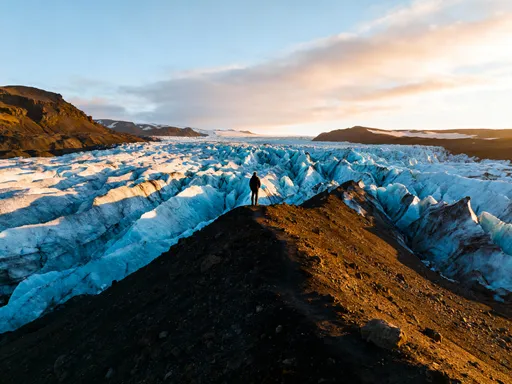
For those seeking deeper engagement, guided glacier hikes on Vatnajökull offer an unforgettable experience. Equipped with crampons and helmets, travelers walk across crevassed ice, learning how glaciers form and move. Guides emphasize the effects of climate change, showing how the ice has retreated over recent decades. These tours are not just adventures—they’re lessons in planetary change. Meanwhile, nearby waterfalls like Seljalandsfoss and Skógafoss invite closer exploration. At Seljalandsfoss, you can walk behind the curtain of water (with waterproof gear), while Skógafoss’s sheer power demands awe. The South Coast is best explored over two or three days, allowing time to absorb its rhythms and return at golden hour, when the low sun sets the ice and water ablaze with color.
Into the Light: Midnight Sun and Northern Lights Experiences
One of Iceland’s most magical qualities is its relationship with light. In summer, the sun barely sets, casting a golden glow across the landscape for up to 21 hours a day. This is the season of the midnight sun, when evenings stretch into twilight and walks at 11 p.m. are bathed in soft, ethereal light. For photographers, it’s a dream—long shadows, warm tones, and endless shooting opportunities. Families take advantage of the extended daylight, picnicking by lakes or hiking trails well past traditional bedtime. The atmosphere feels suspended, as if time itself has slowed.
In winter, the balance shifts dramatically. Days are short, often no more than four or five hours of daylight, but the nights offer their own wonder—the aurora borealis. When conditions align—clear skies, high solar activity—green ribbons of light dance across the heavens, shifting and swirling with quiet grace. Seeing the Northern Lights for the first time is a moment many describe as spiritual. There’s no sound, no warning—just a sudden appearance of light where there was darkness. Apps like Aurora Forecast and Safe Travels Iceland help travelers track activity and find optimal viewing spots away from city lights.
Capturing the auroras on camera requires patience and the right settings: a tripod, wide aperture, high ISO, and long exposure. But even without a lens, the experience is profound. Standing in a frozen field, wrapped in layers, watching nature’s light show unfold—it’s a reminder of how small we are, and how beautiful the universe can be. The key is managing expectations. The lights don’t appear every night, and they can vanish as quickly as they arrive. Yet, that unpredictability is part of their power. It teaches stillness, presence, and gratitude for the moment when the sky comes alive.
Hidden Gems Off the Beaten Path
While the Golden Circle and South Coast draw well-deserved attention, some of Iceland’s most moving experiences lie beyond the main roads. Fjaðrárgljúfur Canyon, with its winding river and steep moss-covered walls, feels like a secret garden. The 2-kilometer trail along the rim offers panoramic views, and in the early morning, mist rises from the valley like breath. Because it’s less accessible than other sites, it sees fewer crowds—making it ideal for quiet reflection or photography.
Further inland, the Highlands reveal even more remote beauty. Landmannalaugar, reachable via a 4x4 vehicle on F-roads during summer, is a geothermal wonderland. Rhyolite mountains shift from pink to gold to green depending on the light, and natural hot rivers invite soothing soaks after a day of hiking. The Laugavegur Trail, one of Europe’s great treks, begins here, leading through lava fields, glaciers, and valleys over several days. These areas demand preparation—proper vehicles, supplies, and awareness of weather—but they reward with solitude and landscapes that feel untouched by time.
Other lesser-known spots include the waterfalls of Hengifoss, with its striking basalt and red clay layers, and the serene lake of Mývatn in the north, known for its birdlife and pseudocraters. Travelers willing to venture further are often surprised by how quickly the sense of discovery returns. These places aren’t hidden because they lack beauty—they’re off the map because access requires effort. And that effort, in turn, deepens the connection. When you’ve driven a winding mountain road or hiked through rain to reach a quiet cove, the view feels earned. It’s not just seen—it’s felt.
How Nature Shapes Culture: Local Respect for the Land
In Iceland, nature isn’t just a backdrop—it’s a living presence that shapes daily life. Geothermal energy provides over 90% of home heating, reducing reliance on fossil fuels. Public swimming pools, heated by natural hot springs, are community hubs where families gather year-round. Even the architecture reflects the environment: turf houses once blended into the hillsides, and modern buildings often feature sloped roofs to withstand heavy snow.
Local folklore is rich with stories that explain natural phenomena. Elves, trolls, and hidden people are part of the cultural fabric, not as literal beliefs for most, but as metaphors for respecting unseen forces. Road construction sometimes detours around rock formations said to be inhabited by spirits—not because officials believe in elves, but because the stories represent a deeper ethic: do no unnecessary harm. This mindset extends to tourism. Eco-certified operators prioritize small groups, low-impact practices, and environmental education.
Sustainability isn’t a trend in Iceland—it’s a necessity. The soil is thin, the climate fragile, and the ecosystems slow to recover from damage. Visitors are reminded to stay on marked paths, avoid disturbing wildlife, and carry out all trash. These rules aren’t arbitrary; they’re born from experience. Centuries of living on a volcanic island, where fire can erupt and glaciers can flood, have taught Icelandersto move with care. For travelers, adopting this attitude transforms a trip from consumption to communion. You’re not just passing through—you’re learning to move lightly, to observe, to honor.
Planning Your Own Adventure: Smart, Sustainable Travel Tips
Visiting Iceland is a privilege, and planning thoughtfully ensures both enjoyment and preservation. The best times to travel depend on your goals: June to August for midnight sun and accessible Highlands, September to March for Northern Lights and fewer crowds. Spring and autumn offer transitional beauty but unpredictable weather—pack layers, waterproof outerwear, and sturdy boots regardless of season.
Renting a car provides freedom, especially outside Reykjavik. Choose a vehicle suited to your route—2WD for paved roads, 4WD for mountain passes. Always check road.is and vedur.is for real-time updates on conditions, closures, and weather. Fuel stations are spaced far apart in rural areas, so refill whenever possible. Accommodations range from guesthouses and farm stays to campsites—book well in advance during peak season.
To travel sustainably, support local businesses, avoid single-use plastics, and follow Leave No Trace principles. Walk or bike in the city, join small-group tours, and take time to learn a few Icelandic phrases. Most importantly, slow down. Iceland rewards presence. Instead of rushing from site to site, linger. Sit by a river. Watch the light change on a glacier. Let the silence fill you. These moments, often unplanned, become the most meaningful. They’re not just memories—they’re connections.
Conclusion: More Than a Photo—A Lasting Connection
Iceland’s landscapes have a way of staying with you long after you’ve returned home. It’s not just the images—the blue ice, the green auroras, the thundering falls—but the feeling they evoke. A sense of awe. A humility in the face of nature’s scale and power. This is the true gift of travel: not the number of photos taken, but the depth of presence experienced.
As you plan your journey, let go of the need to capture everything. Instead, seek moments of stillness. Let the wind brush your face, the sound of water fill your ears, the vast sky remind you of your place in something greater. These are the experiences that transform us—not into better photographers, but into more attentive, grateful travelers.
And as you answer Iceland’s quiet invitation, carry this responsibility: to protect what moves you. Tread lightly. Respect the land. Share its beauty not just through pictures, but through stewardship. Because the wild places that inspire us today must remain for those who will one day chase the light, just as you did.