Taste of Como: A Journey Through Lake Como’s Hidden Culinary Soul
Nestled in the Italian Alps, Lake Como is more than just glistening waters and grand villas—its true magic lies on the plate. From family-run trattorias to lakeside cafes, the region serves up centuries-old flavors with every bite. Here, food is not an afterthought to the scenery; it is the soul of the experience. The olive oil glistens with the same golden light as the lake at sunset, the perch is caught where the mountains meet the water, and pasta is shaped by hands that have passed down recipes for generations. This is cuisine rooted in place, season, and memory. To taste Como is to understand it.
The Flavor of Place
Lake Como has long been celebrated as a sanctuary for the elite, a retreat where Hollywood stars and European aristocrats find peace among terraced gardens and marble villas. Yet beyond the polished stone and panoramic vistas lies a quieter, deeper luxury—the cuisine of Como, shaped by alpine winds, sun-soaked slopes, and the rhythm of the lake. Unlike the flashy glamour often associated with the region, its culinary identity thrives in simplicity and authenticity. The food here tells a story of resilience, resourcefulness, and reverence for the land. Each dish reflects the geography: freshwater fish from the deep blue lake, chestnuts from forested hills, polenta from high-altitude grain, and olive oil pressed from groves along the southern shore.
What makes Como’s cuisine truly special is its deep connection to terroir—the idea that food absorbs the essence of its environment. The microclimate along the lake’s southern edge, sheltered by mountains and warmed by the water, allows olive trees to flourish, producing delicate, fruity oils that are a world apart from those of southern Italy. Local perch and lavarello, caught at dawn, are often pan-fried with lemon and wild herbs gathered from the hillsides. Handmade pizzoccheri, a buckwheat pasta from nearby Valtellina, is layered with cabbage, potatoes, and melted Casera cheese, a hearty alpine dish born from long winters and modest harvests.
To eat in Como is to participate in a tradition that values seasonality and craftsmanship over spectacle. There are no gimmicks, no fusion experiments—just food made with care, often by people who have spent their lives mastering a single recipe. This is not dining as performance, but as heritage. Travelers who seek only the postcard views miss the heart of the region. The real Como reveals itself not in mirrored lake reflections, but on a wooden table set with local wine, crusty bread, and a dish passed from mother to daughter.
The Heartbeat of Como: Markets and Local Producers
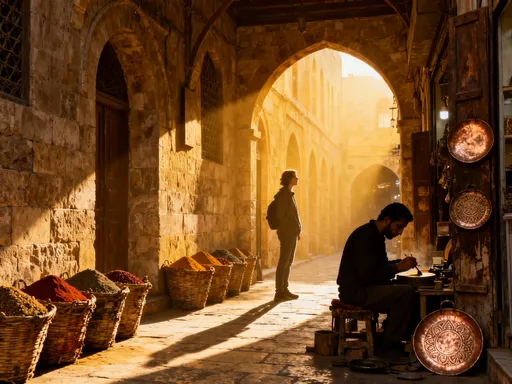
If the soul of Como’s cuisine lives in its dishes, its heartbeat pulses in the markets. Every Thursday morning, the Mercato di Como transforms the city’s central streets into a vibrant tapestry of color, scent, and sound. Under striped awnings, vendors display baskets of heirloom tomatoes still warm from the sun, wheels of aged Bitto cheese wrapped in cloth, and jars of wildflower honey harvested from mountain hives. The air carries the earthy perfume of porcini mushrooms, the tang of sun-dried tomatoes, and the rich aroma of curing sausages. This is where locals shop, where grandmothers haggle gently over the price of zucchini blossoms, and where visitors can glimpse the true rhythm of daily life.
But the magic extends beyond the city. In smaller villages like Menaggio, Dongo, and Sorico, weekly mercatini offer a more intimate experience. These markets are not curated for tourists; they are essential to the community. Here, you might meet Maria, a cheesemaker from Valchiavenna who brings her fresh crescenza—a soft, creamy cheese—to market in ceramic bowls. Or Gianni, a fourth-generation olive grower from Torno, whose family has tended the same groves since the 1800s. His oil, pressed in November from native Leccino and Pendolino olives, carries the clean, grassy notes of the lakeside breeze.
These encounters are more than transactions—they are connections. When travelers buy directly from producers, they support sustainable agriculture and help preserve traditions that are at risk of fading. Unlike industrial food systems, where origin is obscured, Como’s markets celebrate provenance. A jar of honey isn’t just sweetener; it’s a record of alpine flora, beekeeping knowledge, and seasonal change. By choosing local, visitors become part of a cycle that honors the land and its people. For the mindful traveler, shopping here is as meaningful as visiting a museum or touring a villa.
For those eager to go deeper, many producers open their farms and workshops for visits. A tour of an olive mill in Cernobbio offers insight into the delicate process of cold-pressing, while a cheese dairy in the upper valley reveals how raw milk is transformed into aged wheels that can last for years. These experiences are not staged performances but quiet invitations into working lives. They remind us that food is not just consumed—it is grown, tended, harvested, and shared.
Lakeside Eats: Where Scenery Meets Simplicity
Along the shore, dining is as much about atmosphere as it is about flavor. The chioschi—rustic wooden kiosks perched on the water’s edge—are among Como’s most cherished culinary institutions. Found in towns like Bellagio, Nesso, and Cadenabbia, these humble spots serve food that is simple, fresh, and deeply rooted in local tradition. The most iconic dish is missoltini, a centuries-old preparation of sun-dried and salted agone fish, a small lake sardine. Once a method of preservation, it is now a delicacy, often grilled and served with polenta or a squeeze of lemon. Eating it at a chiosco, with your feet nearly touching the water and the sun setting behind the mountains, is a moment of pure sensory harmony.
These lakeside eateries thrive on authenticity. Unlike the polished restaurants that cater to cruise ship crowds, chioschi are frequented by locals and in-the-know visitors. Many are open only in summer, run by families who have operated them for decades. The menu rarely exceeds five items: missoltini, fresh lake trout, panino with bresaola, maybe a simple green salad. There are no tablecloths, sometimes no chairs—just wooden counters and a view that needs no enhancement. The food arrives quickly, served with a smile and a side of local gossip.
For travelers, the challenge is distinguishing genuine chioschi from tourist traps. The telltale signs are simple: if the menu is long, printed in five languages, and features pizza and pasta, it’s likely not the real thing. Authentic spots often have handwritten signs, limited hours, and a line of locals waiting at noon. The best time to visit is early afternoon, just after the lunch rush, when the kitchen is still warm and the owner might share a story over a glass of white wine.
Beyond the chioschi, the baita—mountain huts accessible by trail or funicular—offer another form of lakeside simplicity. Perched on forested slopes, these stone and wood cabins serve hearty fare to hikers and skiers alike. A typical meal might include polenta with mushroom ragù, grilled sausages, or a bowl of minestrone simmered for hours. The experience is unpretentious, the service warm, and the setting unforgettable. In these places, food is fuel, comfort, and celebration all at once.
Mountain Flavors: Alpine Influences in Como’s Cuisine
Though Como is a lake, its cuisine is shaped as much by the Alps as by the water. The surrounding peaks, cloaked in pine and chestnut forests, bring a distinct alpine character to the table. Here, the growing season is short, the winters long, and the terrain steep—conditions that have given rise to hearty, preserving-based dishes designed to sustain through cold months. Polenta is a staple, often served creamy and hot, topped with melted cheese or wild mushroom sauce. Unlike the fine cornmeal of the south, Como’s polenta is made from coarse ground yellow corn, giving it a rustic texture and deep flavor.
In the high valleys, dairy farming remains central to life. Small herds of cows graze on alpine pastures, producing milk that becomes butter, ricotta, and aged cheeses like Bitto and Taleggio. These are not mass-produced; many are made in mountain rifugi, alpine huts where families spend summers tending animals and crafting cheese. A visit to one, reachable by a two-hour hike from Sorico, offers a rare glimpse into this vanishing way of life. Guests are welcomed with a plate of fresh cheese, still warm from the vat, served with honey and dark rye bread.
Among the most beloved mountain specialties is sciatt, a specialty of the Valtellina region just north of Como. These small, round fritters are made from buckwheat flour and filled with a molten core of Casera cheese. Crispy on the outside, gooey within, they are a revelation—simple ingredients transformed by skill and tradition. Often served alongside bresaola, air-dried beef cured with juniper and garlic, sciatt embodies the alpine philosophy: make the most of what you have, with patience and care.
Another hallmark of mountain cooking is the use of smoked and preserved meats. Bresaola, while now found across Italy, originated in these valleys as a way to store protein through winter. Similarly, luganega, a coiled pork sausage flavored with nutmeg and pepper, is slow-smoked over beech wood. These ingredients appear in stews, on charcuterie boards, or tucked into sandwiches for hikers. They are not gourmet novelties but essential parts of the diet, born of necessity and refined over generations.
Dining with a View: From Michelin Stars to Hidden Trattorias
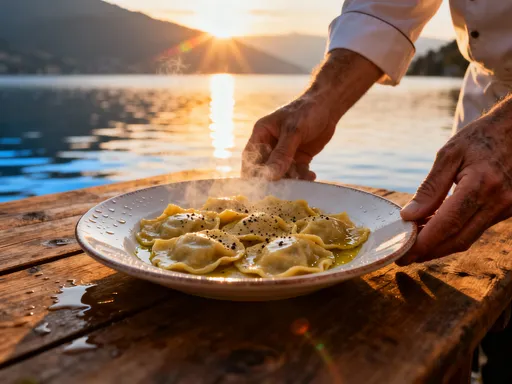
Lake Como offers a spectrum of dining experiences, from opulent Michelin-starred restaurants to unmarked trattorias known only to locals. At the high end, Ristorante Villa d’Este in Cernobbio sets the standard. Housed in a 16th-century palace, the restaurant combines elegance with regional authenticity. The menu changes with the seasons, featuring lake fish prepared with lemon from Sorrento and herbs from the villa’s garden. A seven-course tasting menu might include ravioli stuffed with perch and topped with a saffron foam, or a delicate tartare of bresaola with truffle shavings. The service is impeccable, the wine list extensive, and the view of the lake from the terrace is nothing short of cinematic.
Yet for many, the true essence of Como is found not in grand settings but in quiet village trattorias. In Lenno, a stone’s throw from the grand Villa del Balbianello, Osteria del Vicoletto serves food that feels like home. The menu is short: maybe a plate of tagliatelle with lake shrimp, a roasted chicken with rosemary, and a slice of walnut cake made with chestnut flour. There is no pretense, no theatrical plating—just honest cooking done well. The owner, Signora Elena, often greets guests personally, offering a glass of local Nebbiolo “to open the appetite.”
What distinguishes these hidden gems is their commitment to locality. Ingredients are sourced within kilometers, often from the owner’s garden or a neighbor’s farm. Menus change daily, sometimes hourly, depending on what’s fresh. This is the opposite of formulaic dining; it is responsive, alive, and deeply personal. For travelers, choosing such a place over a starred restaurant is not a compromise—it is a deeper luxury.
For those navigating this landscape, a few guidelines help. First, look for places where the menu is handwritten or displayed on a chalkboard. Second, observe the clientele: if tables are filled with Italian families, it’s likely authentic. Third, avoid restaurants with touts outside or multilingual menus laminated in plastic. Reservations are wise for both high-end and popular local spots, but many trattorias operate on a first-come, first-served basis—arriving early ensures a table and the best pick of daily specials.
Hands-On Tastes: Cooking Classes and Food Experiences
One of the most rewarding ways to connect with Como’s cuisine is through participation. Cooking classes, once a niche offering, have become a cornerstone of cultural tourism in the region. These are not staged demonstrations but immersive experiences, often held in private homes, farm kitchens, or historic villas. A morning might begin with a visit to a lakeside garden to harvest basil, tomatoes, and zucchini, followed by a lesson in making fresh pasta from a nonna who learned from her mother.
One popular class focuses on pizzoccheri, the buckwheat pasta dish from Valtellina. Participants learn to roll the dough by hand, layer it with boiled potatoes and cabbage, then smother it in melted Casera and Parmigiano. The process is messy, joyful, and deeply satisfying. When the dish is finally served, eaten around a long wooden table with glasses of robust red wine, the sense of accomplishment is real. This is not just a meal—it is a memory in the making.
Other experiences include olive harvesting in November, when families gather to pick fruit by hand and bring it to the local frantoio (mill) for pressing. Wine tastings in small cantinas introduce visitors to regional varieties like Inferno, a bold red from the slopes of the Alps, or Grignolino, a light, tannic wine from nearby Piedmont. These sessions are led by vintners who speak with pride about their craft, sharing stories of harvests past and the challenges of sustainable farming.
For those with time, multi-day food tours offer a comprehensive journey. A five-day itinerary might include a cheese-making workshop in Valchiavenna, a lakeside fishing lesson to catch agone for missoltini, and a visit to a historic bakery in Como to learn the art of pane di Como, a dense sourdough bread baked in wood-fired ovens. These experiences go beyond taste—they foster understanding, build relationships, and create a deeper appreciation for the work behind every meal.
The Soul on a Plate: Why Como’s Food Matters
In an age of fast travel and instant gratification, Como’s cuisine stands as a quiet act of resistance. It does not rush. It does not imitate. It does not conform. Instead, it insists on slowness, on seasonality, on the value of hands and heritage. To eat here is to remember that food is more than fuel—it is memory, identity, and connection. A plate of missoltini recalls generations of fishermen who relied on preservation to survive. A slice of chestnut cake speaks of forests that once fed entire villages. A glass of local wine carries the sun, the soil, and the labor of those who tend the vines.
More than that, dining in Como is an invitation to presence. It asks travelers to sit, to savor, to listen. It encourages conversation over clinking glasses, laughter over shared antipasti, silence over a view that defies words. In these moments, the boundaries between visitor and local blur. A table becomes a place of belonging, even if only for an hour. This is the true luxury of travel—not the price of the hotel, but the depth of the connection.
Como’s food also plays a vital role in preserving culture. As global chains and standardized menus spread, regional cuisines risk fading into nostalgia. But in Como, tradition is not frozen in time; it is lived, adapted, and passed on. Young chefs trained in Milan return to open farm-to-table restaurants. Grandmothers teach their grandchildren to make pasta. Markets remain vibrant because people still value the real over the replicated. In choosing to eat this way, travelers support a system that values people, place, and patience.
Ultimately, the food of Como is a testament to the beauty of the ordinary. It finds wonder in a ripe tomato, dignity in a handmade cheese, and poetry in a fish grilled over an open flame. It reminds us that the most meaningful experiences are often the simplest—that the best journeys are measured not in miles, but in moments of connection, in flavors that linger long after the plate is empty.
Conclusion: Carry the Taste Forward
The journey through Lake Como’s culinary soul is not just about what is eaten, but how it is experienced. From the misty mornings on the lake, where fishermen haul in their catch, to the golden hours in village kitchens, where dough is rolled and sauces simmer, every step is an act of care. The markets, the chioschi, the mountain rifugi, the family tables—each reveals a different facet of a culture that honors its past while living fully in the present.
For travelers, the lesson is clear: seek the stories behind the food. Ask who grew the tomatoes, who pressed the oil, who taught the cook to make that perfect raviolo. Support the small producers, the family-run trattorias, the artisans who keep tradition alive. Eat with intention, with gratitude, with curiosity. Let each meal be a moment of discovery, not just of flavor, but of place and people.
And when the trip ends, when the villa views fade and the suitcases are unpacked, let the taste of Como remain. Not just as a memory of good food, but as a way of being. Let it inspire slower meals, deeper connections, a greater appreciation for the hands that feed us. For in the end, the true journey is not from one place to another, but from the plate to the heart. Let Como’s flavors linger—not just on the tongue, but in the way we live, travel, and share our tables with the world.