You Won’t Believe What I Found in Damascus’ Hidden Markets
Damascus isn’t just ancient stones and history books—it’s alive with secrets hiding in plain sight. I stumbled upon a world where scents of saffron and cedar fill narrow alleys, where artisans handcraft treasures passed down for generations. This isn’t your average shopping trip; it’s a sensory journey through time. If you think you know Middle Eastern markets, think again—Damascus reveals a side few ever see, and it all starts with one unexpected turn down an old stone path.
The Pulse of Old Damascus: Where Time Slows Down
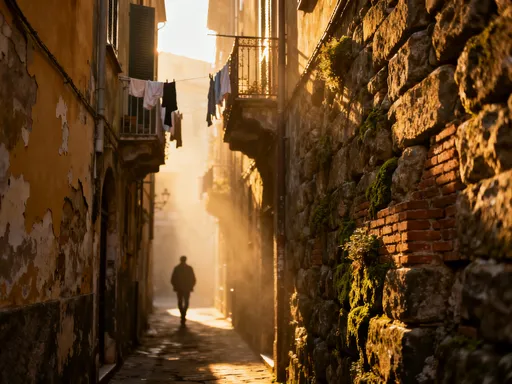
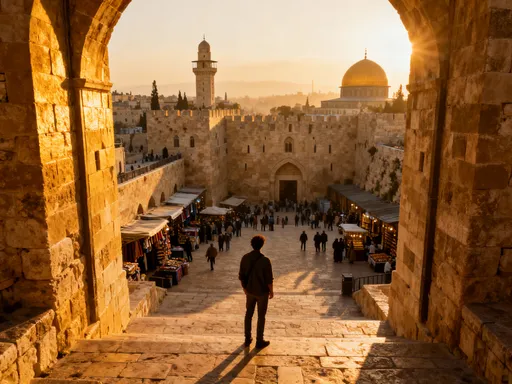
Walking through the Old City of Damascus is like stepping into a living timeline, where every stone underfoot has borne witness to millennia of human stories. Recognized as a UNESCO World Heritage site, this urban marvel has thrived continuously for over 4,000 years, making it one of the oldest inhabited cities in the world. Its winding alleys are not preserved relics behind glass—they are the daily arteries of a vibrant community, where families live above centuries-old workshops and children chase each other past Ottoman-era fountains.
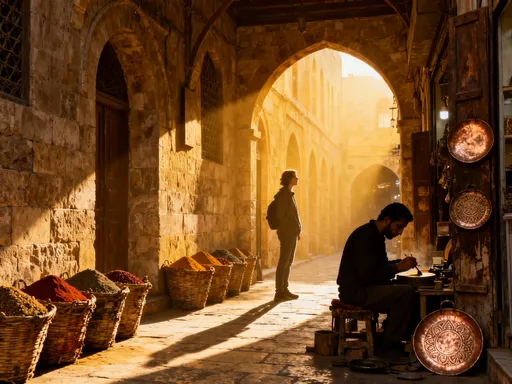
The atmosphere shifts with the rhythm of the day. In the early morning, soft golden light filters through the vaulted stone corridors of the covered souqs, casting long shadows across mosaic floors worn smooth by generations of footsteps. The first call to prayer echoes from the Umayyad Mosque, a sound so deeply woven into the city’s fabric that it feels less like a religious signal and more like the city breathing. Vendors begin to open their wooden shutters, revealing shelves stacked with spices, textiles, and hand-forged copper. There is a quiet reverence in these moments—a sense that history is not something remembered, but something lived.
Unlike modern shopping districts, the Old City resists the urgency of contemporary life. Time moves differently here. A conversation between neighbors might stretch across half an hour, a tea shared slowly beneath a grapevine arbor. This slowness is not inefficiency; it is a cultural rhythm, a reminder that relationships and craftsmanship matter more than speed. For the traveler, embracing this pace is essential to truly experiencing Damascus. Rushing through the souqs would be like flipping through a sacred book without reading a word.
The architectural harmony of the area is equally striking. Stone arches rise gracefully above narrow lanes, their curves echoing centuries of Islamic design. Wooden balconies with intricate latticework—mashrabiya—project over the streets, offering shade and privacy. Water channels once carried fresh spring water through homes, a testament to the city’s ancient engineering ingenuity. Today, this blend of function and beauty remains intact, not as a museum exhibit but as a way of life. To walk these streets is to witness a civilization that has endured, adapted, and preserved its soul.
Beyond Tourist Traps: Finding Authentic Local Commerce
Many travelers approach Middle Eastern markets with expectations shaped by postcards and travel blogs—images of bustling stalls, colorful carpets, and eager vendors. While these elements exist, they often represent only the surface layer of a much deeper reality. In Damascus, the true essence of commerce lies not in the transactions, but in the human connections that unfold between them. To access this world, one must look beyond the obvious and seek out the spaces where locals live and trade.
A simple clue can guide the observant visitor: signage. Shops with Arabic-only writing, often hand-painted in elegant calligraphy, are more likely to serve residents than tourists. These are the places where a carpenter repairs a neighbor’s chair or a spice seller measures out cumin for a grandmother preparing dinner. Similarly, the presence of local women in modest dress, carrying woven bags and haggling with familiarity, is a strong indicator of authenticity. These markets are not performances; they are essential parts of daily life.
Another strategy is to avoid areas dominated by pushy touts or vendors who speak multiple languages fluently the moment a foreigner approaches. While not inherently dishonest, these interactions often prioritize quick sales over meaningful exchange. In contrast, genuine artisans may speak little English, but their eyes light up when someone shows real interest in their craft. A smile, a respectful nod, or a willingness to sit and share tea can open doors far more effectively than any phrasebook.
The value of such encounters cannot be measured in currency. When a silversmith explains how his grandfather taught him to engrave floral patterns by candlelight, or when a baker offers a warm piece of flatbread fresh from the oven, these moments become part of the traveler’s own story. They transform shopping from consumption into connection. In a world increasingly dominated by globalized retail, Damascus offers a rare alternative—one where every purchase carries a name, a face, and a legacy.
The Souq Al-Hamidiyah Experience: More Than a Marketplace
At the heart of Damascus’ commercial life lies Souq Al-Hamidiyah, the city’s most iconic covered market and one of the largest in the Middle East. Stretching over 1.5 kilometers, this grand bazaar is more than a place to buy goods—it is a living organism, pulsing with energy, scent, and sound. Its arched stone roof, built during the Ottoman period, shelters a labyrinth of interconnected alleys, each dedicated to a particular trade: perfumers here, textile sellers there, spice merchants just beyond.
Walking through Souq Al-Hamidiyah is an assault on the senses—in the best possible way. Towering pyramids of spices dominate many stalls: deep red paprika, golden turmeric, and fragrant saffron threads laid out like jewels. The air is thick with the scent of roasted coffee, fresh mint, and warm cardamom. Nearby, brass and copper bowls gleam under dim electric bulbs, their surfaces reflecting the flicker of candlelight from nearby incense burners. The sound of hammers tapping metal blends with the murmur of conversation and the occasional call of “Yalla, come see!” from a friendly vendor.
One of the most irresistible attractions is the scent of kunafa wafting from small street ovens. This beloved Middle Eastern dessert—layers of shredded phyllo dough filled with sweet cheese and soaked in rosewater syrup—is baked fresh throughout the day. Watching a baker pull golden, bubbling trays from a wood-fired oven is a ritual in itself, drawing crowds of locals and visitors alike. To stand in line, to share a plate on a low stool, is to participate in a daily tradition that transcends tourism.
For those new to Middle Eastern markets, bargaining is often a source of anxiety. In Souq Al-Hamidiyah, it is not a transactional battle but a social dance. Prices are rarely fixed, and negotiation is expected—but not aggressive. A respectful offer, a smile, and a willingness to walk away if the price feels unfair are the keys. Vendors appreciate sincerity more than theatrics. Over time, regular customers develop relationships with particular sellers, returning year after year to buy from the same spice merchant or tailor. This trust, built over time, is the invisible currency of the souq.
Hidden Corners: Lesser-Known Stalls and Artisan Workshops
Beyond the main thoroughfares of Souq Al-Hamidiyah lie quieter passages, where the pace slows and the crafts deepen. These hidden corners house artisans whose skills have been passed down through generations, often within the same family. Here, the focus is not on mass production but on mastery—on creating objects that are both beautiful and meaningful.
One such craft is damascene metal inlay, a technique unique to Damascus. Artisans take sheets of steel or brass and hand-engrave intricate floral and geometric patterns, then inlay them with gold or silver. The process is painstaking, requiring years of training and a steady hand. To watch a craftsman at work is to witness patience made visible. Each piece—whether a dagger, a box, or a decorative plate—carries the weight of history and the pride of its maker.
Another treasure of the city is its hand-loomed silk. Once a cornerstone of the Silk Road, Damascus was famed for its luxurious textiles. Today, a handful of weavers continue the tradition in small, dimly lit workshops tucked behind larger shops. Their looms creak rhythmically as they weave threads of crimson, emerald, and sapphire into flowing fabric. These silks are not produced for tourist markets but for special occasions—weddings, religious festivals, family heirlooms. To purchase a piece is to carry a fragment of that legacy.
Equally remarkable are the oud wood carvers, who shape aromatic wood into incense, prayer beads, and decorative items. Oud, derived from the resinous heartwood of agar trees, has been prized in the Middle East for centuries for its rich, woody fragrance. In Damascus, it is burned in homes, mosques, and gatherings as a symbol of warmth and hospitality. The carvers work with quiet focus, shaping small chips of wood into smooth, fragrant beads. Visitors are often invited to smell the different grades, each with its own depth and character.
For the thoughtful traveler, the best time to explore these hidden workshops is late morning or early afternoon, after the initial rush of shoppers has passed. This allows for quieter observation and more meaningful conversations. When photographing artisans, it is essential to ask permission first—a simple hand gesture or polite phrase in Arabic goes a long way. Most are happy to be photographed if approached with respect, and some may even share a story or offer a sample of their work. These moments of exchange are the soul of the experience.
What to Buy (and What to Skip): A Realistic Guide
With so many choices, deciding what to bring home from Damascus can be overwhelming. The key is to focus on authenticity and meaning. The most rewarding purchases are those that reflect the city’s true craftsmanship and cultural heritage. Locally made rose water, distilled from Damascene roses in small batches, is both a practical and symbolic choice. Used in cooking, skincare, and religious rituals, it carries the essence of the region. Similarly, hand-stitched embroidery—often found in tablecloths, pillow covers, or traditional garments—showcases the meticulous artistry of local women.
Natural olive oil soaps are another excellent option. Made with cold-pressed olive oil, laurel oil, and sometimes infused with herbs or citrus, these soaps have been produced in Syria for centuries. They are gentle on the skin, biodegradable, and free from synthetic additives. Many are wrapped in simple paper with hand-stamped labels, marking them as products of small family businesses rather than industrial factories.
However, not every item on offer is worth the investment. Travelers should be cautious of mass-produced “antiques” that appear aged but are in fact newly made for tourists. These include fake coins, imitation pottery, and wooden boxes stamped with generic Arabic script. Similarly, overpriced souvenirs—such as oversized brass trays or gaudy mosaic lamps—are often imported from elsewhere and sold at inflated prices. Items with unclear origins or no story behind them lack the soul that makes Damascus’ crafts special.
Supporting genuine artisans does more than provide a keepsake—it helps preserve endangered traditions. Many craftspeople in Damascus have faced immense challenges in recent years, from economic hardship to displacement. Every purchase from a small workshop contributes to their ability to continue their work. In this way, ethical consumption becomes a quiet act of cultural preservation. A hand-engraved box or a bolt of handwoven silk is not just a souvenir; it is a thread connecting the past to the present, the local to the global.
Navigating Logistics: Currency, Language, and Local Norms
Practical considerations are essential for a smooth and respectful visit to Damascus’ markets. Cash is the primary form of payment—credit cards are rarely accepted, even in larger shops. The official currency is the Syrian pound, and while exchange rates fluctuate, prices in the souqs are generally low by Western standards. A small copper bowl might cost a few hundred pounds, while a handwoven silk scarf could range into the thousands. Carrying small denominations is advisable, as change can be difficult to find.
Language can be a barrier, but it need not be a hindrance. While many vendors understand basic English, knowing a few Arabic phrases enhances the experience. “Salam alaikum” (peace be upon you) is a warm greeting. “Bikam hada?” (how much is this?) is useful for shopping. “Shukran” (thank you) is always appreciated. Pronunciation is less important than intent; a smile and a respectful tone go further than perfect grammar. Many interactions happen without words at all—a shared laugh, a gesture, a cup of tea offered spontaneously.
Dress modestly, especially in the Old City. Women should cover their shoulders and knees, and a light scarf is helpful for visiting religious sites or conservative areas. Men typically wear long pants and short- or long-sleeved shirts. Respecting prayer times is also important; some shops close briefly during the five daily prayers, particularly the midday call. This is not an inconvenience but a reminder of the city’s spiritual rhythm.
During Ramadan, additional considerations apply. Eating, drinking, or smoking in public during daylight hours is inappropriate, even for non-Muslims. Many restaurants and cafes remain open in tourist areas, but it is wise to be discreet. The evening hours, however, come alive with activity—families gather, markets stay open late, and the scent of iftar meals fills the air. Experiencing a Damascus Ramadan, even briefly, offers a profound glimpse into the city’s communal spirit.
Why This Experience Matters: Shopping as Cultural Preservation
In a world where mass production and digital commerce threaten to erase local identities, Damascus stands as a testament to resilience. Its markets are not just places to buy things—they are living archives of skill, memory, and community. Every hand-forged spoon, every bolt of silk, every drop of rose water represents a lineage of knowledge passed from one generation to the next. To engage with these crafts is to honor that continuity.
The personal choices travelers make have broader implications. Opting to buy from a small artisan rather than a souvenir stall supports families who have dedicated their lives to preserving heritage. It sends a message that quality, authenticity, and human connection matter. In a city that has endured years of hardship, these acts of recognition are powerful. They affirm that Damascus is not a place of ruins or tragedy, but a living culture with stories to tell and traditions to share.
Travel, at its best, is not about collecting sights but about deepening understanding. To walk the alleys of Damascus’ souqs is to participate in a quiet act of cultural preservation—one that values patience over speed, people over products, and legacy over profit. When you return home with a hand-engraved box or a vial of rose water, you carry more than an object. You carry a piece of a city that has survived, adapted, and continued to create beauty against all odds.
So take that unexpected turn down the old stone path. Let the scents guide you, the sounds invite you, the people welcome you. Look beyond the surface, listen to the stories, and choose to engage with intention. Because in Damascus, every purchase can be a promise—to remember, to honor, and to keep the soul of a timeless city alive.