Where Art Meets Appetite in the Maldives
Imagine dining beneath a hand-painted coral ceiling, where every dish is a canvas and the ocean breeze conducts the perfect meal. In Kura Maldives, art isn’t just on the walls—it’s in the flavors, the settings, the soul of the dining experience. I discovered how cuisine and creativity merge in unexpected ways, turning every bite into a masterpiece. This is more than a meal; it’s a sensory journey. From the moment you step onto the island, you’re enveloped in an atmosphere where design and delicacy are inseparable. The air carries salt and citrus, the light dances on polished wood and rippling water, and each space invites contemplation as much as comfort. Here, beauty is not an afterthought—it is the foundation.
The Island as an Open-Air Gallery
Kura Maldives is conceived not merely as a luxury resort but as a living gallery, where the island itself becomes a curated exhibition. Every path, structure, and vista has been designed to engage the eye and soothe the spirit. As guests stroll along raised wooden walkways suspended above turquoise shallows, they pass through a seamless blend of natural beauty and intentional artistry. Sculptures crafted from reclaimed driftwood stand quietly beside lagoons, while mosaic inlays in the stone pathways echo the geometric patterns of traditional Maldivian crafts. The architecture honors both modern minimalism and island heritage, using natural materials like coral stone, woven palm, and sustainably sourced timber to create spaces that feel both refined and rooted.
The artistic immersion begins long before dinner. Villas are designed as private sanctuaries of aesthetic harmony, with floor-to-ceiling glass that dissolves the boundary between interior and ocean. Inside, hand-carved wooden panels depict motifs inspired by marine life—dolphins in motion, schools of fish in rhythmic swirls—crafted by local artisans. Even functional elements like lighting fixtures and door handles are treated as sculptural pieces, each selected to complement the overall design narrative. Communal spaces, from the welcome lounge to the meditation pavilion, feature rotating works by regional and international artists, ensuring that no two visits feel exactly alike.
This integration of art into the environment sets the tone for what follows: a culinary experience that does not exist in isolation but as part of a larger sensory composition. Guests are not passive observers but participants in a carefully orchestrated journey where visual beauty primes the palate. The island’s design philosophy reflects a belief that art should not be confined to frames or pedestals—it should shape the way we move, rest, and savor. At Kura, the landscape doesn’t just host the art; it is the art.
Dining Spaces Designed by Vision
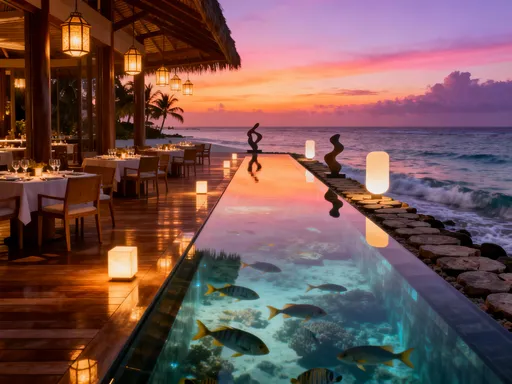
Each dining venue at Kura Maldives is conceived as a distinct artistic expression, where architecture, ambiance, and intention converge to elevate the act of eating into an immersive performance. The main restaurant, perched on stilts above a shallow reef, features a vaulted ceiling painted in gradients of aquamarine and pearl, mimicking the shifting hues of the sea at dawn. Large, hand-blown glass lanterns hang like jellyfish, casting soft, rippling light across teak tables. The layout encourages intimacy without isolation—tables are spaced to allow for quiet conversation, yet the open sides of the structure keep the horizon ever-present, reminding diners that nature is the ultimate co-designer.
The open-air kitchen is central to the experience, framed like a stage with a live-fire grill and sushi counter visible to all. Chefs move with precision, their movements choreographed like a dance, turning preparation into theater. Glass floor panels beneath select tables reveal glimpses of the reef below, where parrotfish and angelfish glide past as silent companions to the meal. At the beachfront bar, low seating and sunken fire pits create a lounge-like atmosphere where cocktails are served in hand-painted ceramic vessels, each one unique. The sound of waves blends with a subtle, curated playlist of ambient island rhythms, reinforcing the connection between place and plate.
Even the smaller details reflect a commitment to aesthetic harmony. Tableware is custom-made, with plates in organic shapes and earth-toned glazes that enhance the visual impact of each dish. Napkins are folded into origami-like forms inspired by local flora—hibiscus petals, coconut fronds—while glassware is chosen for its clarity and weight, designed to feel substantial in the hand. Lighting evolves throughout the evening: soft pendant lights at sunset give way to candle clusters and fiber-optic stars embedded in overhead canopies, creating an illusion of dining beneath the Milky Way. Every element is intentional, contributing to a dining atmosphere that feels both luxurious and deeply authentic.
Culinary Creations as Edible Art
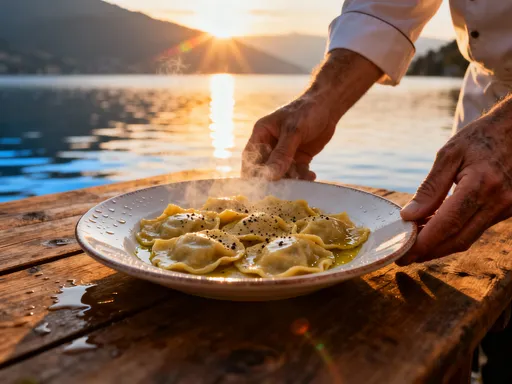
At Kura Maldives, the plate is treated as a canvas, and the chef as both artist and storyteller. Each dish is composed with the precision of a painter—balancing color, texture, and negative space to create a visual experience before the first bite. The culinary team draws inspiration from global art movements, applying principles of abstract expressionism, minimalism, and even surrealism to their plating. A seared scallop might rest on a swoosh of saffron foam, dotted with microgreens like brushstrokes on a canvas, while a slice of mango is arranged in a Fibonacci spiral, echoing the natural geometry of seashells and coral.
Ingredients are selected not only for flavor but for their visual contribution. Local tuna, caught daily using sustainable pole-and-line methods, is sliced paper-thin and dusted with golden turmeric, then garnished with vibrant edible flowers—nasturtiums in coral orange, borage blooms in sky blue. Reef fish, glazed with a reduction of tamarind and activated charcoal, is served on a slab of black volcanic stone, the contrast making the glistening flesh appear almost sculptural. Even desserts become artistic statements: a chocolate sphere filled with coconut gelato arrives under a glass cloche; when warm sauce is poured tableside, the shell cracks open like a blooming flower, revealing a hidden center.
The philosophy behind the plating is deeply intentional. Some dishes follow the Japanese aesthetic of wabi-sabi, embracing imperfection and asymmetry—a deliberately off-center arrangement of grilled octopus with charred lemon and wild herbs speaks to the beauty of the natural and unrefined. Others reflect the boldness of pop art, with bright, contrasting hues and playful presentation, such as a cocktail served in a glass painted with food-safe gold leaf and topped with a dehydrated pineapple curl shaped like a sunburst. The goal is not spectacle for its own sake, but to deepen the emotional resonance of the meal—to make each course a moment of pause, appreciation, and connection.
The Role of Local Culture in Artistic Expression
Beneath the contemporary elegance of Kura Maldives lies a deep respect for Maldivian heritage, which informs both the visual design and culinary narrative of the resort. Traditional Dhoni fishing boats, once the lifeblood of island communities, inspire the curved wooden beams in dining pavilions and the silhouette of custom-made serving trays. Lacquer work, a centuries-old craft using natural dyes and intricate patterns, appears in the inlaid tabletops and decorative screens, their reds and blacks echoing the colors of the sea and volcanic rock. Coral stone, once used in ancient mosques and homes, is repurposed in garden walls and fountain bases, grounding the modern design in local history.
This cultural reverence extends to the menu, where regional flavors are reimagined with artistic finesse. Dishes incorporate staples like tuna, coconut, and breadfruit, but are presented with global techniques and aesthetic sensibilities. A traditional Maldivian mas huni—a breakfast dish of shredded tuna, coconut, and chili—is transformed into a delicate tartare, served in a coconut shell with crisp taro chips and a lime gel. Another course might feature grilled lobster with a curry leaf emulsion and roasted banana purée, paying homage to coastal spice blends while elevating them to fine dining.
The resort also hosts artists-in-residence who collaborate with chefs to create immersive dining events. One evening might feature a “Tides of Tradition” dinner, where a live sand artist draws intricate patterns on the beach while a multi-course meal unfolds, each dish paired with a story about its cultural roots. Another night could include a fusion performance—local drummers playing alongside a string quartet—while guests dine under lanterns shaped like fishing nets. These events are not mere entertainment; they are narrative experiences that weave together taste, sound, and vision to honor the island’s identity. By integrating local artistry into every layer of the guest experience, Kura ensures that luxury is not imported but cultivated from within.
Sunset to Starlight: The Evolution of Atmosphere
The dining experience at Kura Maldives is not static—it evolves with the light, transforming from the golden warmth of sunset to the intimate mystery of starlight. At dusk, the beachfront restaurant glows with the soft radiance of hurricane lamps and torches, their flickering flames casting dancing shadows on the sand. Tables are set with hand-etched numbers in cursive script, each one a small work of calligraphy, while napkins are tied with twine and sprigs of frangipani. The menu shifts subtly at this hour, favoring rich, aromatic dishes—lemongrass-infused soups, coconut-braised lamb—that feel comforting under the cooling sky.
As darkness falls, the ambiance deepens. Overhead, thousands of fiber-optic lights are strung through the palm canopy, arranged to mimic the constellations visible in the Maldivian night sky. Waitstaff move with quiet precision, their uniforms in deep indigo, blending into the twilight. The rhythm of service slows, encouraging guests to linger, to savor each course like a movement in a symphony. Even the music changes—soft acoustic guitar gives way to ambient soundscapes layered with ocean waves and distant bird calls, creating a meditative backdrop.
Private dinners on the sand offer the most intimate expression of this transformation. A single table is set on the shore, surrounded by candles in glass buoys and petals scattered in the shape of a spiral. The chef prepares a bespoke menu, often incorporating elements requested by the guest—a favorite ingredient, a childhood memory translated into flavor. At these moments, dining becomes ritual, a quiet celebration of connection—to place, to partner, to the present. The artistic curation of light, sound, and service ensures that the meal is not just eaten but felt, leaving an imprint far deeper than taste alone.
Behind the Scenes: The Artists and Chefs Who Craft the Experience
The magic of Kura Maldives is not accidental; it is the result of a dedicated creative team whose collaboration blurs the line between art and hospitality. The executive chef, trained in both classical French cuisine and Asian techniques, works closely with the head designer and resident artist to ensure that every element—from menu structure to table setting—aligns with the resort’s aesthetic vision. Weekly meetings are held not in offices but in the open kitchen, where plating sketches are pinned to boards alongside fabric swatches and paint samples. A new dish might begin as a watercolor concept, its colors and shapes guiding the final composition.
The culinary team includes pastry artists, fermentation specialists, and foragers who source ingredients from local islands and the resort’s own organic garden. One chef specializes in “living plating,” using sprouting seeds and microgreens that continue to grow even after the dish is served, adding a dynamic, temporal element to the art. Meanwhile, the design team includes Maldivian craftspeople who restore traditional techniques—such as lacquer work and hand-weaving—ensuring that cultural authenticity is preserved. International artists are invited for month-long residencies, during which they create site-specific installations and lead workshops for guests.
This spirit of collaboration extends to guest engagement. Visitors can join “Art & Appetite” sessions where they plate a dish alongside the chef, learning how color balance and texture affect perception. Others might participate in a lantern-making class using recycled glass, then see their creations displayed during an evening dinner. These interactions transform guests from spectators into co-creators, deepening their connection to the experience. The team’s shared philosophy—that beauty should be participatory, not just observed—defines the soul of Kura.
Designing Your Own Artful Culinary Journey
For travelers seeking to fully embrace the artistic dining experience at Kura Maldives, a little planning can transform a stay from luxurious to transcendent. The key is to engage with the rhythm of the island and the seasonal offerings of the culinary calendar. The resort releases a rotating menu every quarter, often themed around natural cycles—monsoon harvests, coral spawning, or migratory bird patterns. Booking in advance ensures access to signature events like the “Canvas & Caviar” dinner, where guests enjoy a five-course meal while watching a live painting unfold beside the table.
Reservations should be made early, especially for private beach dinners or chef’s table experiences, which are limited to a few guests per week. When selecting seating, opt for ocean-facing tables at the main restaurant for daytime meals, where the light enhances the colors of the food, or request a sand table at sunset for the most romantic ambiance. Engaging with the staff is essential—sommeliers, chefs, and art coordinators are eager to share stories behind the dishes, the artists, and the inspirations. A simple question—“What was the idea behind this plate?”—can unlock a deeper layer of meaning.
For families or groups, consider the “Taste of the Atoll” tasting menu, which offers a curated journey through Maldivian flavors reinterpreted through an artistic lens. Children can participate in simplified art-plating workshops, using edible paints and cookie canvases, fostering creativity in a joyful, inclusive way. Photography is encouraged, not just to capture the food, but to notice the details: the grain of the wood, the curve of a spoon, the reflection of light on a sauce. The goal is to move beyond consumption and into appreciation—to see each meal as a moment of mindfulness, a brushstroke in the larger painting of the journey.
At Kura Maldives, dining transcends nourishment—it becomes a dialogue between sight, taste, and place. The island proves that when art and cuisine unite with intention, the result isn’t just beautiful, but deeply memorable. It invites travelers not just to eat, but to experience—to see every meal as a brushstroke on the canvas of their journey. In a world of generic luxury, this is authenticity painted in bold, delicious color. Here, beauty is not an accessory; it is the essence. And every guest, whether sipping a cocktail under the stars or savoring a hand-plated dessert, becomes part of the masterpiece.