Taste of Manila: Where Culture Simmers in Every Bite
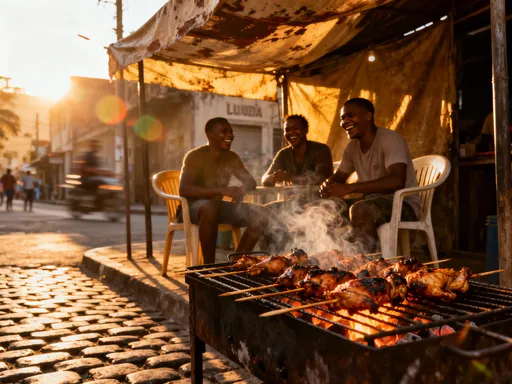
From the sizzle of street-side grills to the warm smiles of local vendors, Manila’s food scene is a living story of heritage, resilience, and connection. Every dish carries generations of flavor—Spanish, Chinese, Malay, and American influences blended into something uniquely Filipino. This isn’t just about eating; it’s about experiencing culture through taste. Let me take you where meals feel like home, even if you’ve never been here before. In Manila, food is not measured in calories but in memories, shared across tables, passed from hand to hand, simmered in stories that stretch back centuries.
The Heartbeat of Manila: Food as Cultural Identity
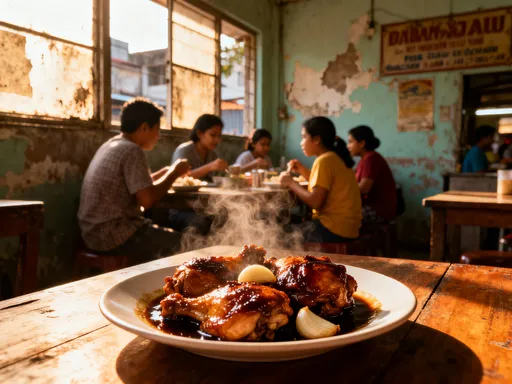
Filipino cuisine is more than a collection of recipes—it is the pulse of a nation shaped by centuries of exchange, adaptation, and enduring tradition. Manila, as the capital and cultural crossroads of the Philippines, embodies this culinary identity in every bite. The city’s food reflects a layered history: Malay roots grounded in rice and fermentation, Chinese contributions through noodles and stir-frying, Spanish colonization that introduced stews and sausages, and American influence that brought canned goods and diner-style breakfasts. Yet, rather than being overshadowed, Filipino cooks absorbed these elements and transformed them into something distinctly their own. Dishes like adobo—a savory stew of meat braised in vinegar, soy sauce, garlic, and bay leaves—showcase this alchemy, where foreign ingredients were reimagined into national staples.
At the heart of Manila’s food culture lies a deep sense of community and family. Meals are rarely solitary affairs; instead, they are gatherings that reinforce bonds and affirm belonging. It is common for extended families to come together on Sundays, filling homes with the aroma of simmering soup and frying garlic rice. Even in the midst of urban life’s pace, the rhythm of daily meals remains sacred. Breakfast often begins before sunrise, with steaming bowls of arroz caldo (rice porridge with chicken) or tapsilog—a combination of cured beef, garlic fried rice, and a sunny-side-up egg—fueling the day ahead. These routines are not just about sustenance but about continuity, a way of honoring ancestors and maintaining identity in a rapidly changing world.
Key ingredients serve as anchors in this culinary tradition. Rice, more than a side dish, is central to every meal and symbolizes life and abundance. Coconut appears in countless forms—milk in curries, oil for frying, meat in salads—connecting inland kitchens to coastal abundance. Vinegar, once used for preservation in a tropical climate, now defines the tangy depth of many dishes. Soy sauce, introduced by Chinese traders, has become indispensable, balancing saltiness with umami. These ingredients, humble yet powerful, are more than flavor enhancers—they are threads in the fabric of Filipino identity, linking kitchen tables across generations and geographies.
Street Food Adventures: Flavors That Define the City
Manila’s streets are open-air dining rooms, alive with the crackle of grills, the clatter of skewers, and the calls of vendors hawking their wares. For many locals and curious travelers alike, street food is not a novelty but a daily ritual—a way to taste the city’s soul in small, affordable portions. Night markets, particularly in areas like Quiapo and Divisoria, come alive after dusk, transforming sidewalks into vibrant corridors of flavor and color. The air carries a rich tapestry of scents: smoky charcoal, caramelizing sugar, and the sharp tang of fermented duck eggs. It is here, under the glow of string lights and fluorescent bulbs, that some of Manila’s most iconic tastes are born.
One of the most recognized street foods is isaw, grilled chicken or pork intestines marinated in vinegar and spices, then skewered and cooked over hot coals. Crispy on the outside and tender within, it is often dipped in a spicy vinegar sauce and paired with cold beer, making it a favorite among night owls. Equally popular is banana cue—saba bananas coated in brown sugar and fried until golden, their sweet, sticky exterior offering a comforting contrast to savory dishes. For the adventurous, balut—a fertilized duck egg with a partially developed embryo—remains a polarizing but deeply cultural experience. Though not for everyone, it is revered by many as a source of protein and a symbol of Filipino resilience and resourcefulness.
Part of what makes Manila’s street food so compelling is its accessibility. A full meal can cost less than a dollar, making it possible for people from all walks of life to enjoy high-flavor experiences without strain. Vendors often prepare food fresh to order, ensuring quality and minimizing waste. For first-time visitors, navigating this world can feel overwhelming, but a few simple guidelines can enhance both safety and enjoyment. Look for stalls with high turnover, as this indicates freshness. Observe whether the vendor uses gloves or tongs when handling food. Bottled water or sealed drinks are preferable to avoid any risk of contamination. Most importantly, approach with an open mind and respect—many vendors take pride in their craft and are happy to explain their dishes to curious guests.
Carinderias: The Soul of Local Dining
If street food offers a taste of Manila’s energy, carinderias reveal its heart. These modest, family-run eateries are found in nearly every neighborhood, from quiet residential alleys to bustling commercial zones. Typically housed in converted homes or simple storefronts, carinderias serve home-cooked Filipino dishes at low prices, making them a cornerstone of daily life for millions. Their charm lies in their simplicity: long communal tables, mismatched chairs, and a steam table displaying the day’s offerings. There is no menu in the traditional sense—diners point to what looks good, often guided by the aroma rising from simmering pots.
The daily menu changes based on what is fresh, affordable, and in season. Staples like adobo, sinigang (a sour tamarind-based soup with meat and vegetables), and kare-kare (a rich peanut stew with oxtail and vegetables) appear regularly, but variations abound depending on the cook’s family tradition. A grandmother’s sinigang might include papaya and eggplant, while another might favor okra and kangkong (water spinach). This flexibility ensures that no two carinderias serve exactly the same meal, preserving the deeply personal nature of Filipino cooking. Even simple sides like pickled papaya (atchara) or fried tofu (tokwa) are made in-house, adding layers of flavor and care.
Carinderias are more than places to eat—they are community hubs where neighbors meet, students study, and workers take lunch breaks. They foster a sense of belonging, where regulars are greeted by name and newcomers are welcomed with a smile. In a city where life moves quickly, these spaces offer a rare moment of pause, a chance to connect over shared plates and stories. For families, carinderias also serve as informal classrooms where younger generations learn recipes by watching and helping. This oral and experiential transmission of knowledge ensures that traditional dishes survive, not as museum pieces, but as living, evolving parts of everyday life.
Fusion & Legacy: Manila’s Evolving Palate
While tradition remains strong, Manila’s food scene is also embracing innovation. In districts like Makati, Bonifacio Global City, and Quezon City, a new generation of chefs is redefining Filipino cuisine with modern techniques, global influences, and artistic presentation. These restaurants do not abandon heritage but elevate it, using ancestral recipes as a foundation for creative exploration. Dishes like deconstructed sisig—traditionally a sizzling plate of chopped pork face and liver with onions and chili—are now served with foam, microgreens, and molecular gastronomy touches, offering a fresh perspective on a beloved classic.
What sets this culinary evolution apart is its deep respect for origin. Unlike fusion cuisines that sometimes lose their roots, Manila’s modern restaurants often highlight indigenous ingredients and regional specialties. Chefs source heirloom rice varieties, native vinegar from coconut sap, and heritage-breed pigs raised on small farms. Some establishments even partner with rural communities to support sustainable agriculture and fair trade practices. This emphasis on authenticity and responsibility reflects a growing pride in Filipino identity, particularly among younger diners who seek both flavor and meaning in their meals.
Neighborhoods like Bonifacio Global City have become epicenters of this movement, hosting pop-up markets, chef collaborations, and food festivals that celebrate local talent. These events attract not only urban professionals but also families looking for safe, enjoyable dining experiences. The rise of food media and social platforms has further amplified this trend, allowing home cooks and restaurateurs alike to share their stories with wider audiences. As a result, Filipino cuisine is gaining recognition beyond the country’s borders, appearing in international food guides and culinary documentaries. Yet, even as it gains global attention, the essence of Manila’s food—its warmth, generosity, and connection to people—remains unchanged.
Markets as Living Kitchens: From Wet Markets to Food Halls
To understand Manila’s food culture, one must visit its markets—vibrant, chaotic, and teeming with life. Wet markets, so named for the water used to clean floors and keep produce fresh, are the backbone of the city’s culinary ecosystem. Places like Salcedo Market, Legazpi Sunday Market, and local barangay markets offer everything from live fish and whole pigs to bundles of herbs and baskets of tropical fruit. These are not tourist attractions but working spaces where housewives, carinderia owners, and home cooks come to select the day’s ingredients with care and knowledge.
Walking through a wet market is a full sensory experience. The scent of salted fish mingles with the sweetness of ripe mangoes. Vendors call out specials, their voices rising above the hum of conversation and the splash of water. Fishermen display their morning catch—milkfish, grouper, squid—on beds of ice, while butchers chop pork and beef with practiced precision. Stalls overflow with vegetables unfamiliar to many Western palates: bitter melon, winged beans, taro leaves. Every item tells a story of seasonality, regionality, and tradition. For visitors, these markets offer a rare glimpse into the real rhythms of Filipino life, far removed from sanitized supermarkets or curated food courts.
In contrast, modern food halls like Mercato Centrale in Bonifacio Global City provide a more controlled yet equally authentic experience. Designed with style and comfort in mind, these spaces bring together artisanal vendors, organic producers, and specialty chefs under one roof. Here, one might find slow-fermented sourdough bread alongside ube (purple yam) pancakes, or cold-pressed coconut water served beside craft coffee. While pricier than wet markets, food halls cater to families seeking cleanliness, variety, and convenience without sacrificing flavor. They represent a bridge between tradition and modernity, offering safe spaces for children and elders while still celebrating local tastes. Together, wet markets and food halls illustrate the duality of Manila’s food culture—rooted in the past, yet fully engaged with the present.
The Rituals Behind the Meal: Etiquette, Timing, and Togetherness
In Manila, how food is eaten is as important as what is served. Meals follow an unspoken rhythm, shaped by work, weather, and family. Breakfast is early, often between 5:00 and 7:00 a.m., when the air is coolest and the day’s energy is fresh. Lunch, typically the largest meal, is served between 12:00 and 2:00 p.m., sometimes stretching into a social event with colleagues or relatives. Dinner may not begin until 7:00 or 8:00 p.m., especially on weekends when families gather after evening prayers or outings. This flexible timing allows for spontaneity and connection, reinforcing the idea that meals are not just functional but relational.
Etiquette plays a quiet but significant role. It is customary to wait for elders to begin eating before others start. Guests are always served first, a sign of deep respect and hospitality. In more traditional homes, the practice of kamayan—eating with one’s hands—is still observed, especially during festive meals. While utensils are common in cities, using hands fosters intimacy with food, allowing diners to feel the texture and temperature of each bite. Shared platters, rather than individual plates, encourage conversation and generosity, with everyone reaching into the same bowl of sinigang or pile of grilled fish.
These rituals are not rigid rules but expressions of care. A mother might serve extra rice to a growing child, or a host will insist on refilling a guest’s plate “just one more time.” Leftovers are never wasted; they are saved for the next meal or shared with neighbors. Even in fast-paced urban environments, these customs endure, adapting to apartment living and modern schedules. Cooking classes, family meal kits, and community potlucks help keep traditions alive, ensuring that the values of generosity, gratitude, and togetherness are passed on. In a world that often feels fragmented, Manila’s dining rituals offer a quiet reminder of what it means to belong.
A Taste That Stays: Why Manila’s Cuisine Leaves a Lasting Impression
To eat in Manila is to be welcomed—not just as a customer, but as part of a shared human experience. The city’s cuisine does not merely satisfy hunger; it tells stories of survival, adaptation, and love. Every dish, from the simplest banana cue to the most elaborate fiesta platter, carries the imprint of history and the warmth of human hands. It is a cuisine built on generosity, where even those with little will offer food to a stranger. This spirit—what Filipinos call *kapwa*, a sense of shared identity and mutual care—transforms meals into moments of connection.
For travelers, going beyond tourist restaurants and venturing into carinderias, markets, and family homes offers a deeper understanding of Filipino culture. It is in these spaces that language barriers fade, replaced by smiles, gestures, and the universal language of shared food. One does not need to love balut or eat with hands to appreciate the heart behind the meal. What matters is the willingness to engage, to listen, and to be present. In doing so, visitors do not just taste Manila—they become part of its story.
Manila’s food endures in memory not because it is always perfect, but because it is real. It is the smell of garlic sizzling at dawn, the laughter around a crowded table, the quiet pride of a vendor who has grilled isaw for thirty years. It is a cuisine that does not demand admiration but earns it, one humble bite at a time. So come to Manila not just to see the sights, but to sit at the table, to accept the extra serving, to say “masarap” (delicious) with sincerity. Let the flavors guide you, not just to new tastes, but to new understandings. Explore Manila—one plate, one story, one connection at a time.