You Won’t Believe These Hidden Natural Wonders in San Juan, Puerto Rico
San Juan, Puerto Rico, is more than just historic streets and vibrant culture—its natural landscapes will blow your mind. From bioluminescent bays to lush rainforests, the city blends urban charm with wild beauty. I was stunned by how close adventure is to the capital. Whether you're chasing waterfalls or kayaking under starlit waters, San Juan offers unforgettable nature escapes—here’s how to experience them like a true explorer.
Discovering San Juan Beyond the City: Where Nature Meets Urban Life
While many visitors associate San Juan with its cobblestone plazas, colonial architecture, and lively salsa rhythms, the city’s true magic often lies just beyond the urban edge. Nestled on the northern coast of Puerto Rico, San Juan serves as a gateway to some of the Caribbean’s most diverse and accessible natural environments. Within a 30-minute drive from Old San Juan, travelers can transition from bustling city streets to serene coastal trails, tropical forests, and secluded beaches. This rare proximity between metropolitan life and untouched nature makes San Juan a uniquely balanced destination for modern explorers.
The region’s tropical climate, shaped by warm Atlantic currents and consistent trade winds, fosters rich biodiversity. Mangrove forests line sheltered lagoons, while limestone cliffs meet turquoise waters along the northeastern shore. These conditions support a wide array of plant and animal species, many found nowhere else on Earth. The juxtaposition of historic landmarks and thriving ecosystems creates a travel experience that is both culturally enriching and deeply restorative. Families, solo travelers, and outdoor enthusiasts alike find themselves re-energized by the rhythm of the waves and the whisper of the rainforest canopy.
One of the greatest advantages of visiting San Juan is the ease of access to protected natural areas. Unlike remote eco-destinations that require extensive planning and multi-day treks, Puerto Rico’s ecological treasures are remarkably approachable. For instance, El Yunque National Forest—the only tropical rainforest in the U.S. National Forest System—is less than an hour’s drive from the capital. Similarly, coastal reserves such as the Northeast Ecological Corridor offer well-maintained trails and educational signage, allowing visitors to immerse themselves in nature without sacrificing comfort or safety. This seamless integration of accessibility and authenticity sets San Juan apart as a destination that honors both heritage and habitat.
El Yunque National Forest: The Only Tropical Rainforest in the U.S. System
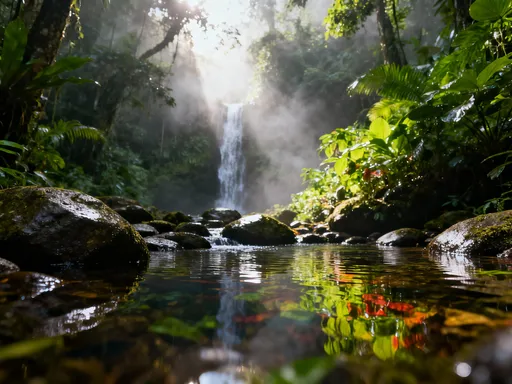
El Yunque National Forest stands as one of Puerto Rico’s most treasured natural landmarks. Spanning nearly 29,000 acres, this lush expanse is not only the sole tropical rainforest within the U.S. National Forest System but also a living laboratory of biodiversity. Towering above the island’s eastern mountains, El Yunque receives over 200 inches of rain annually in some areas, fueling a dense network of streams, waterfalls, and cloud-covered ridges. Its ecological significance is recognized globally, serving as a critical habitat for endangered species and a vital watershed for surrounding communities.
Visitors to El Yunque are greeted with a network of well-marked hiking trails, each offering distinct experiences. The La Mina Falls Trail, a moderate 1.4-mile round-trip path, winds through moss-covered rocks and towering ferns before arriving at a cascading waterfall perfect for a refreshing dip. The terrain is uneven in places, so sturdy footwear is essential. For those seeking a gentler experience, the Big Tree Trail provides a half-mile loop beneath centuries-old tabonuco and sierra palm trees, some reaching over 100 feet in height. Interpretive signs along the way explain the forest’s layered canopy structure and the symbiotic relationships between species.
Wildlife enthusiasts may catch glimpses of the critically endangered Puerto Rican parrot, a vibrant green bird with red forehead markings that has been the focus of decades-long conservation efforts. Though sightings are rare, the forest echoes with the calls of coquis—tiny frogs known for their distinctive nighttime chorus. Other residents include the Puerto Rican boa, various lizard species, and a wide variety of orchids and bromeliads that cling to tree trunks. Rangers at the El Portal Rainforest Center provide updated trail conditions and educational exhibits, enhancing the visitor experience with scientific context and cultural history.
To make the most of a visit, early arrival is recommended, especially on weekends when trails can become crowded. The forest is open daily from 7:30 a.m. to 5:30 p.m., and entry is free, though reservations may be required during peak seasons. Travelers should pack lightweight rain gear, insect repellent, and plenty of water, as humidity levels remain high year-round. While the air feels thick beneath the canopy, the shade offers relief from the tropical sun, making hikes surprisingly comfortable. Above all, visitors are reminded to leave no trace—protecting this fragile ecosystem ensures its preservation for future generations.
Bioluminescent Bay (Mosquito Bay) on Vieques: A Natural Light Show Like No Other
One of nature’s most mesmerizing displays awaits on the island of Vieques—a small, tranquil isle located just a short journey east of mainland Puerto Rico. Mosquito Bay, situated on Vieques’ southern shore, is widely regarded as one of the brightest bioluminescent bays in the world. When disturbed, the water emits an ethereal blue glow caused by microscopic organisms called dinoflagellates. These single-celled creatures produce light through a chemical reaction when agitated, creating a magical effect that shimmers with every paddle stroke or fish movement.
The phenomenon is best experienced during guided night kayak tours, which are both safe and informative. Knowledgeable local guides explain the science behind the bioluminescence while leading small groups through the calm, narrow channels of the bay. Paddling through the darkness, visitors often reach down to swirl the water with their hands, watching in awe as glowing trails form and fade like underwater stars. The experience is serene, almost meditative, offering a profound sense of connection with the natural world.
Reaching Vieques from San Juan requires a bit of planning but is well worth the effort. Travelers can choose between a 30-minute flight from San Juan’s Isla Grande Airport or a 90-minute ferry ride from the town of Ceiba, accessible by car or shuttle. The ferry schedule varies by season, so advance booking is advised, particularly during holidays and summer months. Once on Vieques, rental bikes, scooters, or taxis provide convenient transportation to the bay’s launch points.
For optimal visibility, visits should be scheduled around the new moon when ambient light is minimal. Full or nearly full moons can diminish the glow, making the experience less vivid. Additionally, environmental regulations prohibit swimming in Mosquito Bay to protect the delicate balance of the ecosystem. Sunscreen, lotions, and chemical repellents are also discouraged, as they can harm the dinoflagellate population. Responsible tourism practices, such as using eco-friendly gear and respecting quiet zones, help maintain the bay’s extraordinary clarity and brilliance. By following these guidelines, visitors contribute to the long-term sustainability of this rare natural wonder.
Flamenco Beach & Culebra’s Pristine Coastline: Turquoise Waters and Coral Reefs
Just a short boat ride from the northeastern coast lies Culebra, a peaceful island renowned for its unspoiled beauty and protected marine habitats. At the heart of this paradise is Flamenco Beach, consistently ranked among the most beautiful beaches in the Caribbean. With its sweeping crescent of powdery white sand and waters ranging from pale aquamarine to deep sapphire, Flamenco offers a postcard-perfect setting for relaxation and exploration. The beach is sheltered by surrounding hills, creating calm conditions ideal for swimming, wading, and family outings.
Beyond its visual appeal, Flamenco Beach is a haven for snorkelers. Just offshore, coral reefs teem with life—colorful parrotfish, angelfish, sergeant majors, and even the occasional sea turtle glide through the clear waters. The reef structure remains largely intact thanks to conservation efforts and restricted anchoring policies. Snorkelers are encouraged to use reef-safe sunscreen and avoid touching or stepping on coral, which is extremely fragile and slow to recover from damage. Equipment rentals are available on-site, and guided tours often include educational components about marine conservation.
Access to Culebra is primarily via ferry from the town of Fajardo, located about an hour’s drive from San Juan. The ferry operates on a limited schedule, so travelers should verify departure times in advance and arrive early to secure a spot, especially during peak travel seasons. Alternatively, small charter planes offer daily flights from San Juan’s Isla Grande Airport, providing a quicker but more expensive option. Upon arrival, visitors will find minimal commercial development, preserving the island’s quiet charm.
To protect the island’s delicate ecosystems, a daily visitor permit is required for Flamenco Beach and other public areas. This system helps manage foot traffic and fund environmental maintenance. Visitors are encouraged to bring water, snacks, and shade gear, as amenities are limited. Picnic tables and restrooms are available, but trash must be carried out to maintain cleanliness. By embracing a low-impact approach, travelers help ensure that Culebra’s natural splendor endures for years to come.
Cape San Juan Nature Reserve: Coastal Trails with Breathtaking Ocean Views
Within the protected boundaries of the Northeast Ecological Corridor lies the Cape San Juan Nature Reserve, a scenic sanctuary where coastal dunes, dry forests, and rocky headlands converge. Managed by the Puerto Rico Department of Natural and Environmental Resources, this reserve offers a network of well-maintained hiking trails that wind along the Atlantic coastline, providing panoramic views of crashing waves and rugged shorelines. The main trail, approximately 1.5 miles one way, connects several beaches, including Playa Azul and Playa Media Luna, making it ideal for a half-day adventure.
Hikers are treated to a dynamic landscape shaped by wind and sea. Sand dunes stabilized by native grasses give way to limestone cliffs where seabirds often perch. Along the path, interpretive signs highlight the area’s ecological importance, including its role as a nesting site for sea turtles and a stopover for migratory birds such as the peregrine falcon and the American oystercatcher. Hermit crabs scuttle across the sand, and tide pools reveal small fish, sea urchins, and anemones during low tide.
Conservation is a top priority in the reserve. Visitors are required to stay on marked trails to prevent erosion and protect fragile vegetation. Off-trail exploration can damage root systems and disrupt wildlife, particularly during nesting season. Dogs are not permitted, ensuring minimal disturbance to native species. The reserve is open daily from 8 a.m. to 5 p.m., with a small entrance fee supporting preservation efforts and ranger patrols.
One of the most rewarding segments of the hike leads to Playa Azul, a secluded cove with calm, turquoise waters perfect for a refreshing swim. The beach is surrounded by natural rock formations that provide shade and shelter. Families often spend hours here, building sandcastles, snorkeling, or simply basking in the sun. Because the trail sees moderate traffic, arriving early ensures parking availability and a more peaceful experience. With its combination of physical activity, scenic beauty, and environmental education, the Cape San Juan Nature Reserve exemplifies how recreation and conservation can coexist harmoniously.
Kayaking Through Mangroves: A Quiet Journey into Coastal Wetlands
For a more tranquil water-based adventure, mangrove kayaking offers an intimate encounter with Puerto Rico’s coastal ecosystems. Near San Juan, guided tours operate in areas such as Piñones State Forest and Condado Lagoon, where narrow waterways weave through dense stands of red and black mangroves. These tours, typically lasting two to three hours, provide a peaceful alternative to busier beach destinations while offering rich opportunities for wildlife observation and environmental learning.
Mangroves play a crucial role in coastal protection, acting as natural barriers against storm surges and erosion. Their intricate root systems stabilize shorelines and serve as nurseries for countless marine species, including snapper, tarpon, and blue crabs. Birds such as herons, egrets, and kingfishers frequent the area, making early morning tours especially rewarding for birdwatchers. The quiet paddling experience allows visitors to glide silently through the water, listening to the rustle of leaves and the occasional splash of a jumping fish.
Tours are led by licensed guides who emphasize safety, sustainability, and ecological awareness. Double kayaks are available for couples or families, and all necessary equipment—including life vests and paddles—is provided. The calm, sheltered waters make this activity suitable for beginners, though basic paddling skills enhance the experience. Morning departures are recommended, as winds tend to be lighter and temperatures more comfortable.
Environmental guidelines are strictly followed to minimize human impact. Participants are asked to avoid feeding wildlife, refrain from littering, and stay within designated channels to prevent root damage. Some operators partner with local conservation groups, with a portion of tour fees supporting habitat restoration projects. By participating in these eco-conscious excursions, visitors not only enjoy a unique perspective of Puerto Rico’s coastline but also contribute to the long-term health of its wetlands.
Putting It All Together: Planning Your Nature-Focused Adventure in San Juan
With so many extraordinary natural destinations within reach, crafting a meaningful outdoor itinerary in San Juan is both exciting and achievable. For travelers with three full days, a balanced plan can incorporate rainforest exploration, island hopping, and coastal discovery. Day one might begin with an early visit to El Yunque, followed by a picnic lunch and a late afternoon walk through Old San Juan. Day two could be dedicated to Culebra, with a morning ferry departure, several hours at Flamenco Beach, and an early return to catch the sunset. On day three, a morning mangrove kayak tour could be paired with an afternoon hike at Cape San Juan Nature Reserve, culminating in a quiet evening reflecting on the journey.
Transportation logistics are key to a smooth experience. Renting a car in San Juan provides the most flexibility, especially for reaching trailheads and ferry terminals. However, shuttle services and guided tour packages are excellent alternatives for those who prefer not to drive. Public transportation options are limited, so advance planning is essential. For visits to Vieques and Culebra, checking ferry and flight availability weeks in advance is strongly advised, particularly during holidays and the winter high season.
The best time to visit San Juan for nature-based activities is during the dry season, which runs from December to April. During these months, rainfall is minimal, skies are clear, and ocean conditions are favorable for snorkeling and kayaking. While summer months offer lower prices and fewer crowds, they also bring higher humidity and an increased chance of afternoon showers. Regardless of timing, packing essentials include reef-safe sunscreen, a wide-brimmed hat, reusable water bottles, and quick-dry clothing.
Ultimately, the true value of these natural wonders lies not just in their beauty but in the sense of wonder they inspire. In a world increasingly dominated by screens and schedules, reconnecting with nature offers a rare opportunity to slow down, breathe deeply, and appreciate the quiet miracles of the living world. San Juan’s hidden landscapes invite travelers to step beyond the postcard view and discover a deeper, more authentic relationship with the Earth. By exploring responsibly, respecting local guidelines, and traveling with intention, every visitor can become a steward of these precious places—ensuring that their magic remains undiminished for generations to come.