You Won’t Believe What I Found in Tromsø’s Hidden Corners
Tromsø is famous for northern lights and icy fjords, but few know its vibrant shopping side. Wandering the Arctic streets, I stumbled upon cozy boutiques, local crafts, and design gems tucked between snow-dusted buildings. It’s not just souvenirs—it’s culture, warmth, and storytelling through objects. This is shopping with soul, where every item has a whisper of Norwegian life. Let’s explore what makes Tromsø’s retail scene a quiet adventure worth discovering.
The Heartbeat of Arctic Shopping
Tromsø, perched over 350 kilometers north of the Arctic Circle, is often celebrated as a gateway to polar wilderness and celestial wonders. Yet beneath its rugged exterior lies a surprising cultural heartbeat—one that pulses gently through its storefronts, market stalls, and artisan workshops. While most travelers come for the auroras or Arctic safaris, those who linger discover another layer: a thoughtful, understated approach to retail that mirrors the values of Norwegian life—simplicity, sustainability, and deep respect for craftsmanship. Shopping here is not a hurried errand; it’s a quiet dialogue between visitor and maker, between object and environment.
In a place where winter darkness stretches for weeks and temperatures hover below freezing, indoor spaces become sanctuaries of warmth and connection. The shops of Tromsø reflect this reality. They are not flashy or overly commercialized. Instead, they offer a sense of intimacy, often housed in wooden buildings with frosted windows and glowing interiors that invite passersby from the cold. What sets this shopping experience apart is its authenticity. These are not mass-produced tourist traps but small enterprises rooted in community, where owners know their products by name and can tell you exactly who made them and why.
What emerges is a retail culture that values quality over quantity, intention over impulse. Each store becomes a curated expression of place—featuring wool from local sheep, wood harvested from Arctic birch forests, or textiles dyed with natural pigments found in mountain berries. This isn’t just commerce; it’s cultural preservation. In Tromsø, shopping becomes a way to understand resilience, resourcefulness, and the quiet beauty of life above the Arctic Circle.
Storgata: More Than Just a Main Street
If Tromsø has a retail spine, it’s Storgata—the city’s central pedestrian street that winds through the heart of downtown like a warm ribbon through snow. Lined with colorful 18th- and 19th-century buildings painted in deep reds, blues, and yellows, Storgata balances historical charm with modern practicality. It’s where locals run errands, tourists sip coffee between sightseeing stops, and shopkeepers sweep snow from doorsteps each morning. The street is closed to most vehicle traffic, making it safe and pleasant for strolling, even in winter boots.
At first glance, Storgata appears to offer the usual mix: international brands like H&M and NKD sit alongside pharmacies and bakeries. But look closer, and independent shops begin to stand out. Tromsø Outdoor, a well-known local outfitter, stocks high-performance gear designed specifically for Arctic conditions—think insulated jackets made with breathable membranes, thermal base layers, and boots rated for -40°C. The staff are often seasoned hikers or skiers themselves, ready to advise on layering techniques or recommend trails just outside the city.
Elsewhere on the street, smaller boutiques reveal a different side of Norwegian taste. Design-focused stores carry minimalist home goods—ceramic vases with matte glazes, hand-thrown mugs, and sleek candle holders made from recycled glass. These shops don’t shout for attention; their displays are restrained, often featuring just one or two items on a wooden shelf, lit softly from above. It’s a deliberate aesthetic, rooted in Scandinavian design philosophy: less is more, and every object should earn its place.
Coffee culture thrives here too. Cafés like Fuglen and Tromsø Kaffebrenneri draw crowds not just for their expertly roasted beans but for their ambiance—mid-century furniture, jazz playing softly, and baristas who remember your usual order. These spaces double as informal meeting points, where a shopping break becomes a moment of pause, reflection, and warmth. In a city where daylight is fleeting for much of the year, these small comforts matter deeply.
Craft Markets and Winter Charms
When the sun disappears for weeks and darkness drapes over the city like a velvet curtain, Tromsø doesn’t hibernate—it glows. Winter brings a special kind of magic to the city’s shopping culture, centered around seasonal craft markets that transform public squares into hubs of warmth and creativity. The most well-known of these is the Christmas market at the historic Vårkorskirken (Church of the Resurrection), where wooden stalls line the churchyard, lit by strings of golden lights and flickering lanterns.
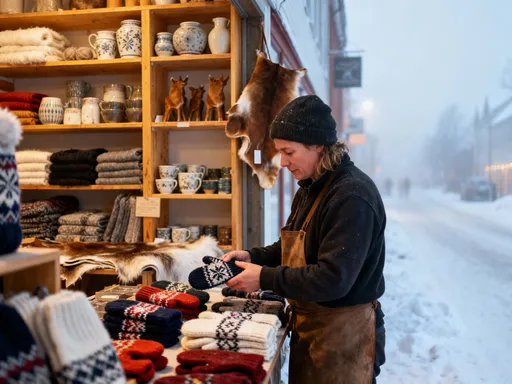
Here, visitors encounter the true spirit of Arctic craftsmanship. Artisans from surrounding villages travel to sell their work—knitted sweaters in traditional rose patterns, mittens lined with reindeer fur, and carved wooden utensils shaped from driftwood or birch. The air carries the scent of mulled wine, roasted almonds, and fresh lefse, a soft Norwegian flatbread often served with butter and sugar. Children weave through the crowd, clutching handmade ornaments, while elders sip gløgg and chat in low voices.
These markets are not staged for tourists. They are genuine community events, deeply woven into local tradition. Many of the vendors are part-time makers—teachers, fishers, or retirees—who craft in their spare time, using skills passed down through generations. A woman selling woolen socks might explain that her grandmother taught her to knit at age six, or a woodworker might describe how he collects timber after storms along the coast. These stories aren’t part of a sales pitch; they’re offered freely, like a gift.
Winter markets also highlight the importance of sustainability in Arctic living. Materials are reused, repurposed, and respected. A scarf might be made from leftover yarn scraps, and a candleholder could be carved from a salvaged piece of ship timber. Nothing is wasted. This ethos reflects a broader cultural understanding: in a harsh climate, resources are precious, and beauty can be found in simplicity and care.
Design with a Nordic Soul
Scandinavian design is known worldwide for its clean lines, functional elegance, and reverence for natural materials—and in Tromsø, this philosophy is not just aesthetic but deeply practical. The city’s boutiques showcase a design language shaped by necessity, where beauty must coexist with durability. A chair isn’t just stylish; it must withstand decades of use. A blanket isn’t merely soft; it must provide real warmth during long, dark nights.
One of the most striking features of Tromsø’s retail scene is the way traditional Sami influences blend with modern design. The indigenous Sami people of northern Norway have long created functional, beautiful objects—from intricately beaded leather bags to intricately patterned duodji (handicrafts). Today, a new generation of designers is reinterpreting these traditions in contemporary ways. You’ll find jewelry made with reindeer bone and pewter, featuring geometric motifs that echo ancient symbols. Woolen throws combine traditional knitting techniques with modern color palettes—deep indigo, moss green, and soft gray—evoking the hues of Arctic landscapes.
Ceramics, too, reflect this harmony between art and utility. Local potters work with stoneware and porcelain, often leaving textures visible—finger marks, subtle cracks, or uneven glazes that celebrate imperfection. A mug might feel slightly irregular in the hand, but that’s part of its charm. It’s a quiet rebellion against mass production, a reminder that handmade things carry the energy of their creator.
Even the way stores present their goods speaks to this design ethos. Displays are uncluttered, with space around each item to let it breathe. Lighting is warm and indirect, enhancing rather than overpowering. There’s no loud music, no flashing signs—just calm, intention, and respect for the objects on display. In a world of constant noise, Tromsø’s shops offer a rare kind of stillness, where you can truly see and feel what you’re holding.
Sustainable Finds in an Arctic City
In a fragile ecosystem like the Arctic, sustainability isn’t a trend—it’s a necessity. Tromsø’s shopping culture reflects this reality, with a growing number of businesses committed to ethical production, circular economies, and environmental stewardship. From clothing made with recycled wool to furniture crafted from reclaimed wood, the city’s retailers are proving that style and responsibility can go hand in hand.
One of the most encouraging developments is the rise of second-hand and repair-focused shops. Stores like Tromsø Second Hand offer gently used clothing, books, and household items at affordable prices, reducing waste and making quality goods accessible to more people. Some boutiques even partner with local tailors to offer on-site mending services, encouraging customers to repair rather than replace. This “slow fashion” mindset is gaining traction, especially among younger residents who value durability and environmental ethics.
Local brands are also stepping up. Several small companies now produce outdoor wear using recycled polyester from plastic bottles or organic cotton blended with merino wool. These garments are designed to last, with reinforced seams and timeless cuts that won’t go out of style. Packaging is minimal—often just a paper tag or reusable cloth bag—further reducing environmental impact.
Consumers play a role too. Many visitors are surprised to learn that haggling is not practiced in Norway, and for good reason: prices reflect fair wages, sustainable materials, and ethical labor practices. When you pay for a hand-knitted sweater, you’re not just buying a product—you’re supporting a craftsperson, a tradition, and a way of life. This transparency builds trust and deepens the connection between buyer and maker.
Even the city’s waste management system supports sustainable shopping. Plastic bags are rarely offered, and most stores encourage reusable totes. Recycling bins are clearly marked, and many shops participate in take-back programs for old gear. These small, consistent choices add up, creating a retail environment that aligns with the values of the Arctic itself—resilience, care, and long-term thinking.
Beyond Souvenirs: What to Bring Home
When it comes to souvenirs, Tromsø offers far more than keychains and postcards. The most meaningful items to bring home are those that carry a piece of the city’s spirit—objects made with intention, by people who live close to the land. A hand-knitted pair of mittens, for example, isn’t just warm; it’s a testament to generations of Norwegian knitting traditions. The patterns—often called “selburose”—originated in the 19th century and were designed to protect against the cold while adding a touch of beauty to everyday life.
For the kitchen, consider birchwood utensils or cutting boards. These are lightweight, durable, and naturally antibacterial. Many are carved by hand, with smooth curves that fit comfortably in the palm. They make excellent gifts and serve as daily reminders of the Arctic forest. Similarly, linen tea towels printed with Nordic motifs or local art prints from galleries like Sør-Varanger Kunstmuseum offer a way to bring Tromsø’s visual culture into your home.
When choosing what to buy, it’s important to look for authenticity. Avoid mass-produced items labeled “Norwegian style” if they’re made overseas. Instead, seek out labels that indicate local production—“Made in Norway,” “Handmade in Tromsø,” or certifications like the Nordic Swan Ecolabel. Many shops proudly display information about their makers, including photos and short bios. This transparency is a good sign of ethical sourcing.
It’s also worth considering the emotional value of your purchase. A small ceramic bowl might seem simple, but if it was made by a potter who lives on a nearby island, fired in a wood-burning kiln, and inspired by the colors of the midnight sun, it carries a story worth sharing. These are the kinds of objects that spark conversation, that make you pause and remember your journey not just as a trip, but as a connection.
How to Shop Like a Local
To truly appreciate Tromsø’s shopping culture, it helps to adopt a few local habits. Norwegians tend to shop with purpose and patience. They don’t rush, and they value quiet, respectful interactions. Store hours are generally from 10 a.m. to 5 p.m. on weekdays, with shorter hours on Saturdays and most shops closed on Sundays. While this may seem limited, it reflects a cultural emphasis on work-life balance and rest.
Timing your visit around local events can enhance the experience. The Christmas market runs from late November through December, while smaller craft fairs pop up in spring and autumn. The Northern Lights Festival in February often includes pop-up shops featuring artist collaborations, and the Midnight Sun Marathon in June draws vendors selling running gear and local treats. These events offer a chance to see the city’s retail scene at its most vibrant.
Learning a few basic Norwegian phrases can also go a long way. A simple “tusen takk” (thank you) or “unnskyld” (excuse me) shows respect and often earns a warm smile in return. While most shopkeepers speak excellent English, making the effort to use local language fosters connection.
Payment is almost entirely card-based—cash is rarely used, and many stores don’t accept it at all. Contactless payments are standard, so ensure your card works internationally. Haggling is not practiced; prices are fixed and reflect fair labor and materials. Instead of negotiating, show appreciation by asking questions about the product or the maker. This kind of engagement is valued and often leads to deeper conversations.
Finally, remember that shopping in Tromsø is not a race. Allow time to browse, to touch fabrics, to sip coffee between stops. Let the rhythm of the city guide you. In a place where nature moves slowly and light changes subtly, the best discoveries come not from rushing, but from paying attention.
The Quiet Magic of Arctic Retail
Shopping in Tromsø is not about filling a suitcase. It’s about slowing down, tuning in, and finding meaning in the small things. Each purchase—a woolen hat, a hand-thrown mug, a carved spoon—carries a quiet story of place, people, and perseverance. These objects are not just beautiful; they are rooted in a way of life that values care, connection, and continuity.
In a world of fast fashion and disposable goods, Tromsø offers a different model—one where retail is not extraction but exchange. When you buy from a local artisan, you’re not just acquiring an item; you’re becoming part of a tradition, supporting a craftsperson, and honoring the rhythms of the Arctic. This is shopping with soul, where every transaction is also a conversation, and every object is a bridge between cultures.
So the next time you plan a trip north, don’t just pack for the cold. Pack your curiosity. Wander beyond the guidebook highlights. Step into a small shop on a snowy street, let the warmth envelop you, and see what waits inside. You might not find what you expected—but you’ll almost certainly find something unforgettable.