Where the Mountains Glow Like Fire: A Visual Journey Through Dolomiti’s Protected Wilds
Have you ever seen mountains that look like they’re on fire? At sunrise in the Dolomites, it’s real. I’m talking golden spires, silent valleys, and skies so clear your photos barely need editing. This UNESCO-protected wilderness isn’t just beautiful—it’s photography magic. No filters, no tricks. Just raw, untouched nature waiting to be captured. The Dolomiti UNESCO World Heritage Site spans over 140,000 hectares across northern Italy, where jagged limestone peaks rise like ancient sentinels above alpine meadows and glacial streams. For photographers and nature lovers alike, this is not merely a destination—it’s a revelation. What makes the Dolomites extraordinary isn’t just their dramatic beauty, but the balance they maintain between accessibility and preservation. Here, conservation isn’t an afterthought; it’s the foundation of every trail, every vista, every breath of crisp morning air. This journey explores how the protected status of the Dolomites elevates the photographic experience, turning each frame into a testament to both natural wonder and human responsibility.
The First Light That Changes Everything
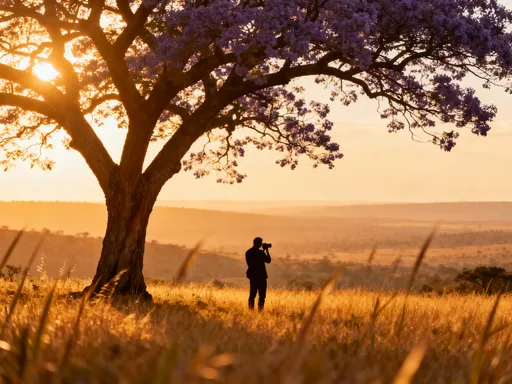
There is a moment in the Dolomites—just before dawn breaks—when the world seems suspended between night and day. The air is still, the valleys cloaked in soft shadow, and then, almost imperceptibly, the highest peaks begin to glow. This phenomenon, known as alpenglow, occurs when the sun, still below the horizon, casts its rays onto the upper atmosphere, which then scatters pink and golden light onto the pale dolomite rock. It’s not just a visual spectacle; it’s a fleeting alchemy of light and geology. In places like Tre Cime di Lavaredo and Marmolada, this daily transformation turns the mountains into radiant sentinels, their edges burning with an ethereal fire that lasts only minutes. For photographers, capturing this moment is both a technical challenge and a spiritual practice—one that demands preparation, patience, and reverence.
The optimal window for alpenglow photography is typically 20 to 30 minutes before sunrise, depending on the season and elevation. During this time, the contrast between the warm highlights on the peaks and the cool blue shadows in the valleys creates a dynamic range that adds depth and drama to images. Because the light changes rapidly, photographers must arrive well in advance, set up their equipment, and compose their shots while it’s still dark. This requires careful planning: charging batteries overnight, pre-focusing lenses to infinity, and selecting a tripod with sturdy legs that can handle uneven terrain. Many experienced shooters recommend using a headlamp with a red light mode to preserve night vision while navigating trails. The official hiking paths leading to prime viewpoints—such as Rifugio Auronzo near Tre Cime or the Sentiero della Ferrata near Marmolada—are clearly marked and safe, even in low light, ensuring that early risers can move confidently through the dark.
What makes these early hours truly special, beyond the light itself, is the solitude. In the quiet before the day begins, the Dolomites feel vast and intimate at once. There are no crowds, no chatter, just the occasional rustle of a marmot or the distant echo of a falling stone. This stillness allows photographers to connect more deeply with the landscape, to observe subtle shifts in tone and texture that might be missed later in the day. The experience becomes less about taking pictures and more about bearing witness. And when the first direct sunlight finally strikes the summit, igniting the entire range in a blaze of gold, the reward is not just a stunning photograph—but the memory of having been present at a daily miracle.
Why Protection Equals Perfection for Photographers
The visual integrity of the Dolomites is no accident. It is the direct result of decades of environmental stewardship and a commitment to sustainable tourism. As a UNESCO World Heritage Site since 2009, the Dolomiti Dolomiti UNESCO World Heritage Site is managed under strict guidelines designed to protect its geological, ecological, and scenic values. For photographers, this means that the landscapes they come to capture remain unspoiled by urban sprawl, industrial development, or excessive infrastructure. There are no neon signs, no sprawling parking lots, no high-rise hotels blocking the skyline. Instead, villages like Ortisei, Santa Maddalena, and Aldein maintain traditional alpine architecture, blending harmoniously with the natural surroundings. This preservation of aesthetic continuity enhances every composition, ensuring that foregrounds, midgrounds, and backgrounds remain cohesive and authentic.
One of the most significant benefits of conservation for photography is the control of light pollution. In protected zones such as Val di Funes and Val Gardena, outdoor lighting is regulated to minimize skyglow, making nighttime photography exceptionally rewarding. On clear nights, the Milky Way arcs clearly above the peaks, and star trails can be captured without interference from artificial light. This darkness is not just a boon for astrophotographers; it also contributes to the overall sense of wilderness and tranquility that defines the region. Additionally, restrictions on vehicle access in core areas—such as the seasonal closure of roads to private cars in parts of Val di Funes—help maintain the serenity of the valleys and reduce visual clutter in images.
Hiking trails are carefully designed to protect both visitors and the environment. Marked routes prevent soil erosion, preserve native vegetation, and ensure that fragile alpine meadows remain intact. This matters for photographers because undisturbed foregrounds—such as wildflower fields in summer or frost-covered grasses in autumn—add richness and context to wide-angle shots. When a meadow hasn’t been trampled or altered, it contributes naturally to the composition, offering leading lines, textures, and color contrasts that enhance the overall image. Furthermore, the presence of clean rivers, glacial streams, and undisturbed wildlife habitats provides endless opportunities for storytelling through the lens. A chamois pausing at the edge of a cliff, a golden eagle circling above a valley, or mist rising from a pristine lake at dawn—these moments are possible because the ecosystem is healthy and respected.
The connection between conservation and photographic quality is clear: the more protected the landscape, the more powerful the image. When photographers return home with pictures of unspoiled peaks and vibrant ecosystems, they are not just sharing beauty—they are documenting the success of a model where nature and culture coexist. This awareness can inspire others to visit responsibly, to tread lightly, and to value preservation as much as aesthetics. In this way, every photograph taken in the Dolomites becomes part of a larger narrative—one of care, continuity, and quiet reverence for one of Europe’s most iconic mountain ranges.
Hidden Vantage Points Only Locals Know
While Tre Cime di Lavaredo and Lago di Braies attract thousands of visitors each year, some of the most breathtaking photographic opportunities lie just beyond the well-trodden paths—within the legal boundaries of the protected area, yet far from the crowds. These lesser-known vantage points offer unique perspectives without requiring risky off-trail hiking or violating park regulations. One such location is the eastern ridge of Alpe di Siusi, Europe’s largest high-altitude alpine meadow. While the main meadow is popular, the trails leading toward Siusi Alm and the Passo Sella side offer quieter clearings with panoramic views of the Sassolungo group. Arriving early in the morning, photographers can capture the sun rising behind the peaks, casting long shadows across the grass and illuminating the dew-covered flowers in golden light.
Another hidden gem is the forested approach to Lago di Sorapiss, located northeast of Cortina d’Ampezzo. While the lake itself has become more widely known, the 45-minute hike from Passo Tre Croci—through dense larch and pine woods—remains relatively uncrowded. The trail descends gradually, revealing the lake in stages: first a glimpse between the trees, then a full view framed by dark trunks and reflective water. This natural framing is ideal for layered compositions, especially in autumn when the surrounding larches turn brilliant gold. The elevation gain is modest—about 200 meters—and the path is well-maintained, making it accessible to most hikers with a moderate fitness level. Because the trail is officially recognized and maintained by the local park authority, there is no risk of trespassing or environmental damage.
For those seeking dramatic elevation, the trail to Forcella Rossa, a high mountain pass between Monte Cristallo and Monte Pomagagnon, offers sweeping views of Cortina and the surrounding peaks. The ascent begins near the town but quickly enters a quiet, forested zone before emerging above the treeline. At around 2,500 meters, the pass provides a wide-angle perspective that includes glaciers, ridgelines, and deep valleys—all without the congestion of more famous viewpoints. The best time to visit is late summer or early autumn, when the weather is stable and the light is soft. GPS coordinates for trailheads are readily available through official park websites and apps, ensuring that visitors can navigate safely and accurately.
These hidden spots share a common advantage: they allow photographers to create original work without compromising ethical standards. There is no need to climb restricted cliffs, damage vegetation, or ignore signage. Instead, success comes from research, timing, and a willingness to explore beyond the obvious. By choosing these quieter locations, photographers not only improve their chances of capturing unique images but also contribute to the sustainability of the region by reducing pressure on over-visited sites. The result is a more authentic experience—one that aligns with the spirit of the Dolomites: majestic, enduring, and respectfully shared.
Seasons That Redefine the Frame
The Dolomites are never the same twice. Each season paints the landscape in a different palette, offering photographers a constantly evolving canvas. Spring, from April to early June, is a time of transition. Snowmelt feeds rushing streams and waterfalls, creating dynamic foreground elements for long-exposure photography. The lower valleys begin to green, and wildflowers like primroses and alpine anemones emerge in sheltered areas. While higher trails may still be snow-covered, this season offers dramatic contrasts—white peaks against soft green slopes, icy lakes reflecting clear blue skies. Morning fog often lingers in the valleys, adding mystery and depth to compositions. Wildlife becomes more active during this period, with marmots returning from hibernation and birds nesting in rocky crevices.
Summer, from late June to early September, is the most accessible season for photography. The high-altitude trails are clear of snow, wildflowers blanket the meadows in vibrant hues, and the days are long. July and August bring the iconic carpet of gentians, daisies, and clover to places like Alpe di Siusi and Val di Funes. The weather is generally stable, though afternoon thunderstorms are common, creating fleeting opportunities for dramatic cloud formations and rainbows over the peaks. This is also the best time for capturing wildlife in action—chamois grazing on steep slopes, ibex navigating rocky outcrops, and birds of prey soaring on thermal updrafts. While visitor numbers peak during these months, early mornings and weekdays can still offer relative solitude.
Autumn, from late September to November, is often considered the most photogenic season. The larch forests—particularly around Val di Funes and the Sesto Dolomites—turn a brilliant golden yellow, creating a stunning contrast with the pale gray rock and deep blue skies. The light is soft and warm, with long shadows that enhance texture and dimension. Cooler temperatures mean fewer insects and more comfortable hiking conditions. Fog frequently settles in the valleys at dawn, producing ethereal scenes where peaks appear to float above a sea of clouds. This is also a quieter time to visit, with schools back in session and summer tourists gone, allowing photographers to move freely and compose without distraction.
Winter transforms the Dolomites into a monochrome dreamscape. Snow covers the landscape in a smooth, reflective layer, simplifying compositions and emphasizing form and line. The silence is profound, broken only by the crunch of boots on frozen paths or the distant call of a raven. Sunrise and sunset light is especially intense during this season, as the snow amplifies the glow and extends the duration of alpenglow. While some trails are closed or require snowshoes or skis, many accessible viewpoints—such as those near San Cassiano or Passo Giau—remain reachable with proper gear. Winter also offers unique opportunities for night photography, as the snow reduces ambient light absorption and enhances the visibility of stars and the Milky Way. Each season, in its own way, invites a different kind of attention—a different way of seeing—and for photographers, this cyclical renewal is part of the Dolomites’ enduring magic.
Gear That Works With the Land, Not Against It
Photographing the Dolomites doesn’t require the heaviest equipment, but it does demand thoughtful choices. The terrain is rugged, trails can be steep, and weather conditions change rapidly. A lightweight, weather-sealed mirrorless camera system offers the best balance of image quality and portability. These cameras perform well in cold temperatures, have excellent dynamic range for high-contrast mountain scenes, and are less taxing to carry over long distances. Pairing them with a carbon fiber tripod ensures stability in windy conditions without adding excessive weight. A polarizing filter is essential for reducing glare on snow and water, enhancing sky contrast, and bringing out the texture of rock faces.
One of the most important considerations is minimizing environmental impact. Drones, while tempting for aerial shots, are strictly prohibited in most parts of the Dolomiti UNESCO World Heritage Site without special permits. Their use can disturb wildlife, disrupt other visitors, and violate local regulations. Instead, photographers are encouraged to find elevated vantage points through hiking—earning the view rather than flying over it. Similarly, stepping off marked trails to get a better angle can cause lasting damage to fragile alpine vegetation, which grows slowly and recovers poorly from trampling. Staying on designated paths protects the very landscapes photographers come to celebrate.
Shooting in RAW format allows for greater flexibility in post-processing, reducing the need to take multiple exposures and thus minimizing time spent in sensitive areas. Natural reflectors—such as snowfields, light-colored rock, or calm lakes—can be used to bounce light into shadowed areas, eliminating the need for artificial fill flash that might disturb animals. Packing out all gear, including batteries and memory cards, ensures that nothing is left behind. Many experienced photographers adopt a ‘leave no trace’ mindset, treating the mountains not as a backdrop but as a living environment deserving of respect.
Finally, dressing appropriately is part of responsible gear preparation. Layered clothing, waterproof boots, and gloves with touchscreen compatibility allow photographers to work comfortably in changing conditions. A small notebook or voice recorder can help log settings, lighting conditions, and personal reflections without relying on digital devices. The goal is not to conquer the mountain with technology, but to move through it with awareness, adapting to its rhythms and honoring its limits. When gear serves the land rather than dominating it, the resulting images carry a deeper truth—one rooted in harmony rather than intrusion.
How Light Shapes the Protected Landscape
The magic of the Dolomites lies not just in their form, but in their interaction with light. The region’s unique geology—composed largely of dolomite rock, a magnesium-rich carbonate—plays a crucial role in how it reflects and absorbs sunlight. Unlike darker basalt or granite, dolomite has a high albedo, meaning it reflects a significant amount of solar radiation. This property intensifies the colors of sunrise and sunset, giving rise to the famous phenomenon known as enrosadira—the moment when the peaks turn a deep rose or fiery orange. This effect is most pronounced in autumn and winter, when the sun’s angle is lower and the atmosphere is clearer.
Altitude further enhances the quality of light. At elevations above 2,000 meters, the air is thinner and cleaner, with fewer particles to scatter or diffuse sunlight. This results in sharper shadows, brighter highlights, and a greater sense of clarity in images. The contrast between light and dark is more defined, allowing photographers to create striking compositions with strong graphic elements. Backlighting, for example, can turn a chamois on a ridge into a bold silhouette, while sidelight emphasizes the striations and fractures in the rock, revealing the geological history of the range.
Understanding these light patterns allows photographers to anticipate the best moments. The golden hour—the period shortly after sunrise and before sunset—is consistently the most rewarding, but in the Dolomites, it is often extended by the surrounding peaks. One mountain may block direct sunlight while another continues to glow, creating a staggered illumination that can last for an hour or more. This variability encourages photographers to stay longer, to observe, and to adapt. Long exposures of starry skies are also more effective here due to the lack of light pollution and the high atmospheric transparency. Using a wide-angle lens, a stable tripod, and an intervalometer, it’s possible to capture the rotation of the stars above a silent valley, with the peaks standing as dark sentinels below.
The interplay of light and landscape is not just a technical subject; it is a poetic one. The way the sun touches the mountains each day is a reminder of their permanence and their fragility. They have stood for millions of years, yet they are shaped moment by moment by the same light that photographers seek to capture. To understand this relationship is to move beyond mere documentation and toward a deeper form of expression—one that honors both the science and the soul of the mountains.
Capturing the Soul Without Disturbing the Silence
The most powerful photographs from the Dolomites are not those taken in haste, but those born of patience and presence. There is a difference between capturing an image and witnessing a moment. A marmot sunning itself on a warm rock, a chamois leaping across a scree slope, a mist rising from a lake at dawn—these are not staged; they are gifts. They come to those who wait, who move quietly, who respect the boundaries of the wild. Ethical photography in the Dolomites means never approaching wildlife too closely, never using bait, and never altering the environment for a better shot. It means using a telephoto lens not to invade, but to observe from a distance that honors the animal’s space.
Many of the most moving images emerge from stillness. Sitting at a viewpoint for an hour, watching the light change, listening to the wind—this is where true connection happens. A photograph taken in such a moment carries more than visual information; it carries feeling. It reflects not just what was seen, but what was felt. This mindful approach aligns perfectly with the ethos of the protected area, where conservation is not just about rules, but about relationship. The Dolomites are not a stage for human performance; they are a sanctuary, a shared inheritance.
When photographers share their images, they have a responsibility. A photo can inspire awe, but it can also inspire action. An image of a pristine valley can remind viewers of what is worth protecting. A shot of a lone ibex on a cliff can spark curiosity about alpine ecology. By captioning their work with information about conservation, trail etiquette, and seasonal sensitivity, photographers become advocates. They can encourage others to visit with care, to choose lesser-known trails, to support local guides and sustainable businesses.
The Dolomites will continue to glow like fire at sunrise, as they have for millennia. But their future depends on the choices we make today. Every photograph taken in this protected wilderness is a vote—for preservation, for beauty, for silence. And in the end, the greatest image we can create is not the one we bring home, but the one we help ensure will still be here for generations to come: a landscape alive, unbroken, and forever radiant.