You Won’t Believe How Alive Riyadh’s Culture Feels – This Is No Desert Mirage
Riyadh isn’t just a capital city buried in sand dunes — it’s a cultural heartbeat pulsing beneath the surface of tradition and modernity. I never expected to find poetry slams under palm trees, ancient souqs lit by neon, or heritage festivals that make history feel alive. This is more than a travel story — it’s a firsthand dive into how Saudi Arabia is redefining its cultural narrative, one authentic experience at a time. And honestly? You need to see it to believe it.
The Soul of Riyadh: Where Tradition Meets Transformation
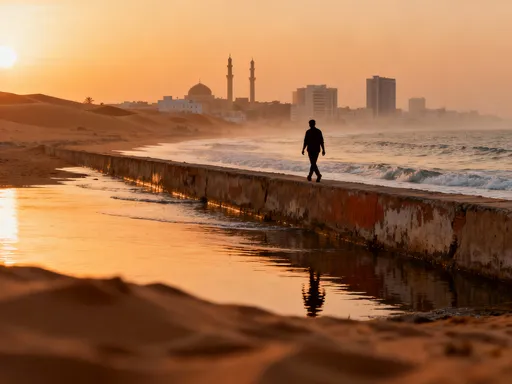
Riyadh stands at a unique crossroads — where centuries-old customs flow seamlessly into a future shaped by vision and ambition. Once perceived as a quiet administrative center tucked within the vast Najd plateau, the city has emerged as a dynamic cultural force, redefining what it means to be Saudi in the 21st century. This transformation is not about erasing the past, but rather revitalizing it with fresh energy and national pride. Public spaces that once served only functional purposes now pulse with life — courtyards host storytelling circles, parks echo with traditional music, and museums invite deeper understanding of regional heritage.
What makes this evolution so compelling is its authenticity. Unlike manufactured tourist spectacles seen elsewhere, Riyadh’s cultural awakening is homegrown. It reflects a collective desire among Saudis, especially the younger generation, to reconnect with their roots while embracing global influences. The atmosphere in neighborhoods like Al Diriyah and Al Malaz reveals a city confident in its identity. Murals depict Bedouin poetry alongside modern calligraphy, and public festivals celebrate everything from camel racing to digital art. There’s a visible sense of ownership — locals aren’t just participants; they are curators of their own narrative.
This cultural renaissance is supported by national initiatives such as Vision 2030, which prioritizes heritage preservation and creative industries. Investment in infrastructure, cultural programming, and international partnerships has created fertile ground for expression. Yet, the soul of Riyadh remains grounded in tradition — from the call to prayer echoing across the skyline to the warmth of a shared cup of gahwa (Arabic coffee). The city doesn’t shout its transformation; it lives it quietly, powerfully, day by day. For visitors, especially women traveling with family or seeking meaningful cultural immersion, Riyadh offers a rare opportunity: to witness change not as disruption, but as harmony.
Al-Zal: The Living Heritage at the Heart of the City
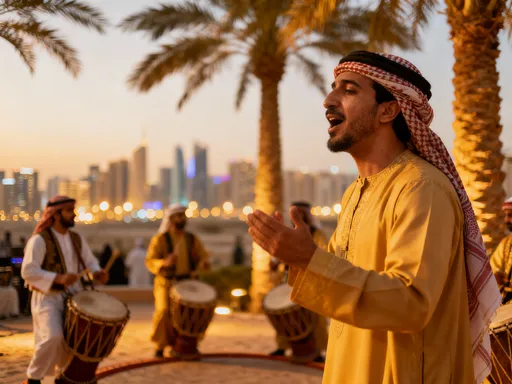
One of the most stirring cultural experiences in Riyadh is witnessing Al-Zal, a traditional performance that embodies the rhythm and poetry of Saudi heritage. This dynamic art form blends synchronized movement, powerful drumming, and recited Nabati poetry — a vernacular poetic tradition deeply rooted in Arabian oral culture. Al-Zal is more than entertainment; it’s a communal expression of identity, often performed during national celebrations, weddings, and major festivals. The sight of men in white thobes moving in unison, their voices rising in poetic verse while drums pulse like a heartbeat, is both mesmerizing and deeply moving.
Historically, Al-Zal served as a form of storytelling and social commentary, with poets using metaphor and wit to reflect on honor, bravery, and community values. Today, it remains a living tradition, carefully preserved and proudly performed. During events like the Riyadh Season or the annual Janadriyah Festival, Al-Zal takes center stage, drawing crowds of locals and visitors alike. These performances are not staged for tourists — they are genuine expressions of cultural continuity, often passed down through generations within families or community groups.
What makes Al-Zal particularly special is its emotional resonance. The poetry, though in Arabic, conveys universal themes of pride, resilience, and unity through tone and rhythm. Even without understanding every word, one can feel the weight of history in the cadence of the verses and the intensity of the performers’ movements. For families visiting Riyadh, witnessing Al-Zal offers children and adults alike a visceral connection to Saudi culture — not through textbooks, but through sound, motion, and shared emotion. It’s a reminder that tradition isn’t static; it breathes, evolves, and thrives when embraced by those who carry it forward.
Souq Al-Zal: Stepping Into a Sensory Time Capsule
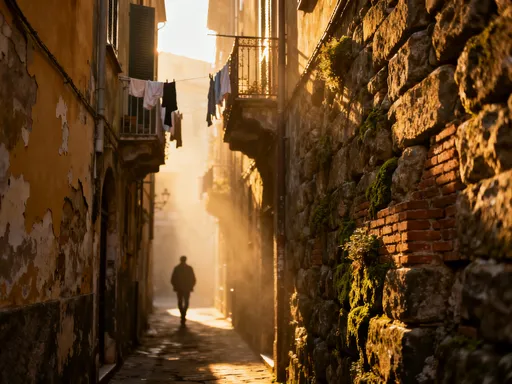
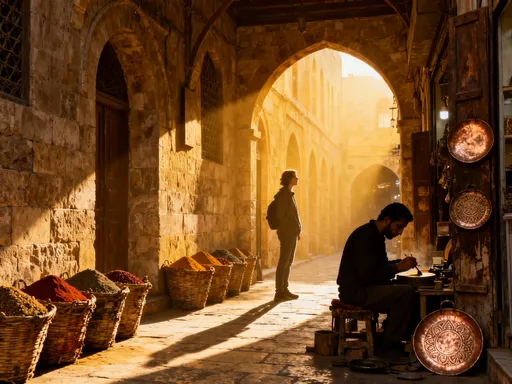
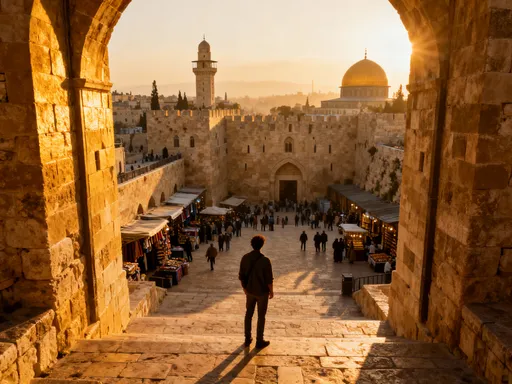
Nestled in the historic heart of Riyadh, Souq Al-Zal is more than a marketplace — it’s a journey through time. Restored with care and authenticity, this heritage bazaar invites visitors to wander narrow alleyways lined with handcrafted wooden stalls, where the air is rich with the scent of oud, saffron, and leather. Every corner offers a new sensory discovery: the rustle of handwoven textiles, the glint of silver jewelry, the murmur of vendors sharing stories in melodic Saudi Arabic. This is not a sanitized tourist attraction, but a living marketplace where tradition and commerce intertwine.
The souq specializes in traditional crafts that reflect the artistry of central Arabia. Women in elegant abayas browse intricately embroidered bishts (ceremonial cloaks), while elders inspect oud wood, evaluating its quality by scent and grain. Artisans sit at their stalls, demonstrating age-old techniques — weaving palm fronds into baskets, engraving metal with geometric patterns, or blending custom perfume oils. Many are happy to explain the significance of their crafts, turning each transaction into a conversation. A simple purchase of henna paste or a hand-stitched pouch becomes an exchange of culture and respect.
For families, Souq Al-Zal is an ideal destination — safe, welcoming, and rich with learning opportunities. Children are often drawn to the colorful textiles and sweets made from dates and rosewater, while adults appreciate the authenticity and craftsmanship. The souq also hosts cultural demonstrations during festivals, where visitors can try on traditional dress, listen to folk songs, or learn basic Arabic phrases. More than a shopping experience, it’s a space of connection — where the past is not displayed behind glass, but lived, shared, and celebrated. In a world of mass production, Souq Al-Zal stands as a testament to the enduring value of handmade beauty and human touch.
Riyadh Season: When the City Becomes a Stage
Every winter, Riyadh transforms into a vast open-air theater during Riyadh Season, a citywide celebration of culture, entertainment, and community. Spanning several months, this festival turns the capital into a vibrant playground of lights, music, and art. From November to March, millions of visitors — both local and international — flock to experience its energy. At the heart of it all is Boulevard World, a sprawling entertainment district that recreates global landmarks and cultures, yet remains distinctly Saudi in spirit. Here, families stroll past miniature Eiffel Towers and Venetian canals, but the real magic lies in the stages showcasing Saudi talent.
Riyadh Season is not just about spectacle; it’s a platform for national expression. Local theater troupes perform adaptations of folk tales, musicians blend traditional instrumentation with modern beats, and dance groups reinterpret heritage movements with contemporary flair. The festival also features art installations, light shows, and culinary pavilions offering everything from camel meat dishes to date-based desserts. Children enjoy interactive zones with storytelling and craft workshops, while adults appreciate the sophisticated ambiance of open-air lounges and cultural exhibitions.
What sets Riyadh Season apart is its inclusivity and scale. It’s designed for all ages and backgrounds, with an emphasis on family-friendly activities and cultural education. Security is visible yet unobtrusive, and facilities are well-organized, making it accessible for travelers with children or older relatives. The festival also highlights Saudi entrepreneurship, with pop-up shops featuring local designers, food vendors, and artisans. More than just entertainment, Riyadh Season reflects a national confidence — a declaration that Saudi culture is not only preserved but celebrated with joy, creativity, and openness. For visitors, it offers a rare chance to experience the warmth and generosity of Saudi hospitality on a grand scale.
The Rise of Local Art: Galleries, Street Murals, and Creative Hubs
Beyond festivals and souqs, Riyadh’s cultural revival is vividly expressed in its growing art scene. Once limited to private collections and academic circles, Saudi art is now stepping into the public eye — on gallery walls, city sidewalks, and repurposed heritage buildings. Neighborhoods like Diriyah and Takhleej have become creative hubs, where young artists explore identity, heritage, and modernity through painting, sculpture, and digital media. Government support through the Ministry of Culture and the Saudi Arts Commission has played a crucial role, funding residencies, exhibitions, and public art programs that empower local talent.
One of the most striking developments is the emergence of street art. In areas like Riyadh’s Boulevard or the JAX District, large-scale murals depict everything from traditional Bedouin motifs to abstract interpretations of Islamic geometry. These works are not random graffiti, but commissioned pieces that reflect cultural pride and artistic innovation. Walking through these neighborhoods feels like touring an open-air museum — one that evolves with each season. Galleries such as Ghaf and Athr have also gained prominence, hosting exhibitions that attract both local audiences and international curators.
For women artists, this creative surge has been particularly empowering. Many now lead studios, teach workshops, and exhibit internationally, contributing to a more diverse and inclusive cultural landscape. Their work often explores themes of family, tradition, and personal journey, resonating deeply with female audiences. For visiting families, especially mothers and daughters, engaging with this art scene offers a modern perspective on Saudi life — one that balances respect for tradition with personal expression. Art in Riyadh is no longer hidden; it’s bold, visible, and inviting.
Cultural Etiquette: How to Engage Respectfully as a Visitor
For travelers, especially women, understanding cultural etiquette is key to a meaningful and respectful visit to Riyadh. While the city has become more accessible to international guests, certain customs remain important. Dressing modestly is expected in public spaces — women are encouraged to wear loose-fitting clothing that covers shoulders and knees, and many choose to wear a shayla (headscarf), though it is no longer mandatory for foreign visitors. Men should also dress conservatively, avoiding shorts or sleeveless shirts in urban areas.
Greetings are an essential part of Saudi social life. A simple “As-salamu alaykum” (peace be upon you) is warmly received, and locals often respond with a smile and handshake — though some women may prefer not to shake hands with men, and this should always be respected. When visiting homes or cultural events, removing shoes may be requested, and accepting a cup of Arabic coffee or dates is a gesture of goodwill. These small acts of respect open doors to deeper connections and more authentic experiences.
Participating in cultural events does not require prior knowledge — curiosity and humility go a long way. Asking polite questions about traditions, food, or art is appreciated, as long as it comes from a place of genuine interest rather than judgment. Photography should be done discreetly, especially in souqs or during performances, and always with permission when people are involved. By approaching Riyadh with openness and respect, visitors are often met with extraordinary hospitality. The goal is not to blend in perfectly, but to show that you value the culture you are experiencing.
Beyond the City: Day Trips to Historic Diriyah and Tuwaiq Escarpment
To fully appreciate Riyadh’s cultural depth, a journey beyond the city limits is essential. Just a short drive away lies Diriyah, the original home of the Saudi royal family and the birthplace of the First Saudi State. Today, the restored mud-brick town of At-Turaif stands as a UNESCO World Heritage Site, offering a powerful glimpse into the nation’s origins. Walking through its narrow alleys, visitors can explore fortified palaces, ancient mosques, and courtyards where history feels tangible. The site is especially atmospheric at sunset, when golden light bathes the adobe walls and the call to prayer echoes across the Wadi Hanifa valley.
Diriyah is not just a museum — it’s a living cultural district. The Bujairi Terrace area features fine dining restaurants with views of At-Turaif, as well as galleries and performance spaces that host traditional music and poetry readings. For families, guided tours offer age-appropriate storytelling that brings the past to life. Children can try on historical costumes or participate in craft activities, making history engaging and accessible. The site also emphasizes sustainability and preservation, using traditional building techniques to maintain authenticity.
Another unforgettable excursion is the Tuwaiq Escarpment, a dramatic limestone ridge that stretches across central Arabia. Here, nature and art converge at the Tuwaiq Sculpture Trail, an open-air exhibition where international and Saudi artists have created large-scale works embedded in the rugged landscape. The contrast between the stark desert and the elegant sculptures is breathtaking. Visitors can hike along designated trails, enjoy panoramic views, and reflect on the dialogue between culture and environment. These day trips offer a perfect balance — adventure, education, and beauty — making them ideal for families seeking both relaxation and enrichment.
Conclusion
Riyadh’s cultural revival isn’t about performing for outsiders — it’s about Saudis rediscovering and reshaping their own story. From drumbeats echoing in ancient courtyards to bold new murals on modern walls, the city invites you not just to watch, but to witness something real. The desert may be timeless, but here, culture is very much alive — and ready to surprise you. For women travelers and families, Riyadh offers a rare blend of safety, authenticity, and warmth. It’s a place where tradition is not frozen in time, but lived with pride and purpose. Whether you’re sipping gahwa in a heritage souq, watching a poetry performance under the stars, or standing in awe at a UNESCO site, one truth becomes clear: Riyadh is not what it once was — and that’s exactly what makes it worth visiting now. This is not a mirage. This is a cultural awakening, unfolding in real time.