You Won’t Believe These Wild Natural Escapes Just Outside Dublin
You know what’s wild? Dublin isn’t just about pubs and cobblestone streets—just beyond the city, nature explodes in every direction. I’m talking misty hills, ancient forests, and coastal trails that’ll leave you breathless. If you think Ireland’s capital is all urban charm, think again. I’ve explored the hidden green gems within an hour’s reach, and trust me, they’re absolutely worth the trip. This is real, raw Ireland—quiet, untouched, and stunning.
Dublin’s Green Secret: Nature Right at the City’s Edge
Dublin is often celebrated for its vibrant culture, literary heritage, and lively street scenes, but one of its best-kept secrets lies just beyond the city center—its remarkable proximity to untamed natural beauty. What makes this capital unique among European cities is how effortlessly it blends urban energy with serene landscapes. Within minutes of leaving the bustling streets of Temple Bar or O’Connell Street, you can find yourself walking through woodlands, climbing gentle hills, or following riverside paths where the only sounds are birdsong and rustling leaves. This seamless transition between city and countryside is not by accident; it’s by design. Dublin has long protected its green belts, ensuring that nature remains accessible to residents and visitors alike.
Take Phoenix Park, for example—one of the largest enclosed urban parks in Europe, stretching over 700 hectares. Home to wild deer herds, historic monuments, and kilometers of walking and cycling trails, it offers a true escape without requiring a single mile outside city limits. Equally accessible is the River Dodder, which meanders through several south Dublin suburbs, offering peaceful riverside walks from Upper Rathmines all the way to Tallaght. These green corridors serve as vital breathing spaces, especially for families and individuals seeking balance in their daily lives. The psychological benefits of such access are well-documented: studies show that even short exposures to natural environments reduce stress, improve mood, and enhance mental clarity.
For the visiting traveler, this means you don’t have to choose between experiencing Dublin’s rich cultural offerings and connecting with the Irish landscape. You can enjoy a morning coffee in a cozy café, spend the afternoon exploring a museum or historic site, and be standing atop a windswept hill with panoramic views of the Irish Sea by sunset. This duality is what elevates a simple city break into a more meaningful, restorative journey. The city’s thoughtful integration of nature into its fabric reflects a deeper Irish value—the respect for land, history, and quiet contemplation that runs through the national character.
Wicklow Mountains: Ireland’s Backyard Playground
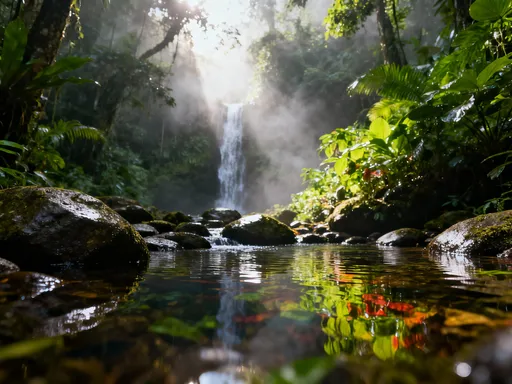
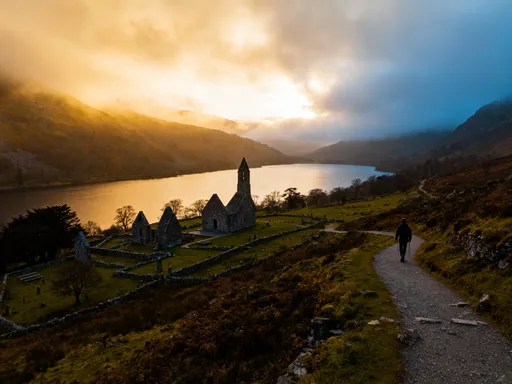
If Dublin is the heart of Ireland’s urban life, the Wicklow Mountains are its wild soul. Just an hour south of the city, this mountain range unfolds in a tapestry of emerald valleys, sparkling lakes, and ancient woodlands, earning its nickname as the “Garden of Ireland” with every step. Among its most iconic destinations is Glendalough, a glacial valley cradling two shimmering lakes and the ruins of a 6th-century monastic settlement founded by Saint Kevin. The moment you arrive, the air feels different—cooler, cleaner, alive with the scent of pine and damp earth. Stone cottages and round towers rise from the mist like pages from a history book come to life, blending spirituality and scenery in a way that feels profoundly peaceful.
Hiking here is both invigorating and accessible. The Spinc Walk, one of the most popular trails, climbs steadily above the Upper Lake, offering breathtaking panoramic views of the entire valley. The path is well-marked and maintained, though sturdy footwear is recommended, especially after rain when the terrain can become slippery. Along the way, hikers pass through heather-covered slopes, cross wooden footbridges over babbling streams, and catch glimpses of red deer moving silently through the underbrush. For those seeking a gentler experience, the Lakeside Trail offers a flat, family-friendly loop around the Lower Lake, perfect for a relaxed stroll with children or older adults.
Getting to Glendalough is straightforward, even without a car. Bus 131 departs regularly from Dublin’s Busáras transport hub, taking approximately 90 minutes to reach the site. Tickets are reasonably priced, and the service operates daily during peak season. Once there, visitors can explore the visitor center, which provides historical context, maps, and safety information. Facilities include clean restrooms, a café serving hot soup and Irish soda bread, and ample parking for those driving. Because of its popularity, arriving early in the day—ideally before 10 a.m.—helps avoid crowds and ensures a more tranquil experience. Late spring through early autumn offers the most favorable weather, with long daylight hours and wildflowers blooming along the trails.
How Coastal Trails Redefine Scenic Walks: Bray to Greystones
For a dramatic fusion of sea, sky, and solid ground, few walks compare to the Bray to Greystones Cliff Path. Perched high above the Irish Sea, this 7.5-kilometer trail offers one of the most exhilarating coastal experiences within easy reach of Dublin. The journey begins in the seaside town of Bray, accessible via a 20-minute DART train ride from the city center. From there, the path winds along limestone cliffs, where every turn reveals a new vista—the endless stretch of ocean, fishing boats bobbing in the distance, and the rugged beauty of the Sugarloaf mountain rising in the west.
The trail is well-constructed with sturdy railings and clear signage, making it suitable for confident walkers of most ages. While not overly strenuous, it does involve a series of steep stone steps and uneven surfaces, so proper footwear is essential. The entire walk takes about two and a half hours at a leisurely pace, allowing plenty of time to pause, breathe, and absorb the scenery. Seabirds—gulls, cormorants, and the occasional peregrine falcon—wheel overhead, while below, waves crash against the rocks with a rhythmic power that feels both soothing and invigorating.
One of the most rewarding aspects of this trail is its accessibility. Unlike remote hikes that require extensive planning, the Bray to Greystones walk can be done spontaneously. You can leave Dublin on a whim, pack a light backpack with water, a sandwich, and a windproof jacket, and return home the same day feeling refreshed. Greystones, the endpoint, is a charming coastal village with a relaxed atmosphere. Cafés like The Happy Pear—famous for its plant-based dishes and welcoming vibe—offer a perfect spot to unwind with a warm drink and homemade treat while watching the tide roll in. Trains run frequently back to Dublin, making the return journey just as easy as the outbound one.
Hidden Forests and Quiet Retreats: Exploring Dalkey Quarry and Killakee
While Glendalough and the Bray Cliff Walk draw well-deserved attention, some of the most rewarding natural escapes near Dublin are the lesser-known spots that remain quietly off the tourist trail. Dalkey Quarry and the Killakee Forest walks are two such hidden treasures, each offering a distinct flavor of Irish nature. Dalkey Quarry, located in the southern suburb of Dalkey, is a former granite quarry transformed into a rugged hiking destination. The ascent is moderately challenging, with rocky paths and iron railings assisting the climb, but the payoff is extraordinary: sweeping views of Dublin Bay, the distant Wicklow Mountains, and the islands dotting the coastline. On a clear day, you can see as far as the Kildare plains to the west.
What makes Dalkey Quarry special is its blend of industrial history and natural rebirth. Old quarry markings and rusted machinery are still visible, reminders of the 19th-century workers who extracted stone used in Dublin’s buildings. Today, the site is reclaimed by nature—ferns grow in cracks, wildflowers bloom in spring, and lizards dart across sun-warmed rocks. It’s a place where history and habitat coexist, offering a layered experience for thoughtful visitors. Because it’s less advertised, foot traffic remains low, making it ideal for solo walkers, couples, or small family groups seeking quiet reflection.
In contrast, the Killakee Forest trails—nestled in the Dublin Mountains near Rathfarnham—offer a completely different atmosphere. Here, the landscape is soft and enveloping, with towering beech and oak trees forming a canopy that filters sunlight into dappled patterns on the forest floor. Moss carpets the ground, and the air carries the earthy scent of decay and renewal. The network of paths is well-marked, with loop options ranging from 3 to 6 kilometers, suitable for all fitness levels. Unlike the exposed cliffs of Bray or the open skies of Glendalough, Killakee provides a sense of enclosure and calm, making it a favorite among those seeking mental respite. Birdwatchers may spot woodpeckers or jays, while early risers might catch the soft call of a tawny owl fading into the dawn.
Visitors can easily combine both locations in a single day. Start with the energetic climb of Dalkey Quarry in the morning, then drive or take public transport to Killakee for a gentler afternoon walk. This contrast—between exposure and shelter, effort and ease—creates a balanced, fulfilling outdoor experience. Both sites are free to access, have parking nearby, and are served by public buses, making them practical choices for budget-conscious travelers.
Why Timing Matters: Seasons and Light in Dublin’s Natural Spots
The experience of Ireland’s natural landscapes changes dramatically with the seasons, and understanding these shifts can greatly enhance your visit. Spring, from March to May, brings a surge of life—daffodils and bluebells carpet forest floors, birds return to nest, and the air carries a crisp freshness after the winter months. This is an ideal time for photography, as soft light and new growth create vibrant, hopeful scenes. Summer, particularly June and July, offers the longest daylight, with the sun setting as late as 10 p.m. This extended twilight allows for evening hikes, such as a sunset walk to Howth Summit, where the sky turns gold and pink over the sea.
Autumn, from September to November, is often considered the most beautiful season in the Irish countryside. The forests ignite with color—amber, russet, and gold—as leaves turn and fall. Lough Dan, nestled in the Wicklow Mountains, becomes a mirror reflecting the surrounding hills in fiery hues. The cooler temperatures make hiking more comfortable, and the reduced number of tourists means quieter trails. Winter, while shorter on daylight, has its own quiet magic. Mornings may begin with frost-covered grass, and mist often hangs in the valleys, creating an ethereal, almost dreamlike atmosphere. However, winter hikes require extra caution—paths can be muddy or icy, and daylight may last only six hours, so planning is essential.
Regardless of season, checking the weather forecast before departure is crucial. Ireland’s climate is famously changeable; a sunny morning can quickly turn into a downpour by afternoon. The national meteorological service, Met Éireann, provides reliable, up-to-date forecasts online and through mobile apps. Packing layers, a waterproof jacket, and a hat is always wise. For photographers and nature lovers, the golden hour—just after sunrise and before sunset—offers the most magical light, especially at elevated viewpoints like Three Rock Mountain or the cliffs above Howth. Timing your visit to capture this light can transform a simple walk into a memory that lasts a lifetime.
Getting There Without a Car: Public Transport Tips That Actually Work
One of the most persistent myths about exploring nature near Dublin is that you need a car. In reality, Ireland’s public transport network makes it entirely possible—and often more convenient—to reach stunning natural destinations without ever turning a key in the ignition. The DART (Dublin Area Rapid Transit) system is a lifeline for coastal exploration, with stops in Howth, Dún Laoghaire, and Greystones—each serving as gateways to scenic trails. A return ticket from central Dublin to Howth, for example, costs less than 10 euros and takes under 30 minutes, dropping you steps from the cliff path that circles the peninsula.
For inland destinations, Dublin’s bus network is surprisingly effective. Bus 131, operated by Go-Ahead Ireland, runs multiple times daily from Busáras to Glendalough, with a journey time of about 90 minutes. Fares are affordable, and the bus stops right at the visitor center, eliminating the need to navigate narrow mountain roads. Commuter trains serve towns like Bray and Kilcoole, providing access to both the Cliff Walk and nearby forest trails. For those traveling from farther afield, the Transport for Ireland (TFI) website and app offer integrated journey planning, combining train, bus, and walking routes into a single, easy-to-follow itinerary.
Apps like Citymapper and Google Maps are also invaluable, providing real-time updates on departures, delays, and walking directions. Many locals rely on these tools daily, and visitors can benefit just as much. Traveling by public transport also aligns with eco-conscious values—reducing carbon emissions, avoiding parking hassles, and supporting sustainable tourism. Plus, there’s something deeply relaxing about being able to look out the window, watch the landscape change from urban to rural, and arrive at your destination feeling calm rather than stressed from driving. For families, seniors, or solo travelers who prefer not to drive, these options open up Ireland’s natural beauty to everyone.
Making the Most of Your Escape: Simple Ways to Deepen the Experience
A day in nature near Dublin can be more than just a walk in the woods—it can be a moment of renewal, reflection, and reconnection. To truly deepen the experience, consider bringing a thermos of hot tea or soup, packed in a lightweight backpack. There’s something deeply comforting about pausing at a scenic viewpoint, unwrapping a sandwich, and sipping warmth while gazing out over the sea or valley. Simple pleasures like these ground the experience in mindfulness, turning a physical journey into an emotional one.
Other small choices can enhance the day: packing reusable snacks in eco-friendly containers, bringing a notebook to jot down thoughts or sketch a view, or simply committing to silence for 10 minutes on a bench or rock. These acts of presence allow you to absorb the surroundings more fully. Practicing mindfulness—focusing on your breath, the sound of wind, or the texture of bark under your fingers—can reduce anxiety and improve mental clarity. For parents, involving children in nature observation—spotting birds, identifying trees, or collecting fallen leaves—turns a hike into an educational adventure.
Equally important is respecting the environment. The Leave No Trace principle—carrying out all trash, staying on marked paths, and avoiding disturbance to wildlife—is essential for preserving these spaces for future generations. Ireland’s natural beauty is fragile, and every visitor plays a role in protecting it. By traveling lightly and thoughtfully, we ensure that places like Glendalough, the Wicklow Mountains, and the coastal cliffs remain as breathtaking for others as they are for us.
In the end, what makes these escapes so powerful is not just their beauty, but their accessibility. You don’t need weeks of vacation or a luxury budget to experience the soul of Ireland. Sometimes, all it takes is a train ticket, a pair of walking shoes, and the willingness to step off the pavement and into the wild. Because real magic doesn’t always happen in grand cathedrals or famous landmarks—it happens where the city ends, the horizon opens, and the earth speaks softly beneath your feet.