You Won’t Believe What Yokohama’s Architecture Just Revealed
Walking through Yokohama feels like flipping through a living architecture book—each neighborhood tells a different story. From Meiji-era brick warehouses to futuristic towers by the harbor, the city blends old and new like nowhere else in Japan. I was stunned by how much character its buildings carry, not just as structures, but as cultural statements. This isn’t just sightseeing—it’s understanding how history, innovation, and identity shape a city’s skyline. The way Yokohama layers time, function, and design reveals a deeper truth: cities can grow without forgetting who they are. In an era when so many urban centers homogenize under glass and steel, Yokohama stands apart, preserving its soul while embracing the future. This journey through its architectural landscape is not just about aesthetics—it’s about meaning, memory, and the quiet power of thoughtful design.
Arriving in Yokohama: First Impressions That Surprise
As the train glides from Tokyo into Yokohama, a subtle but powerful shift becomes apparent. The dense, vertical forest of Tokyo’s skyscrapers gradually gives way to a more open, breathable cityscape. Unlike the tightly packed districts of the capital, Yokohama unfolds with intention—its streets wider, its skyline punctuated by green spaces and water views. The city’s identity as a port is immediately visible, not just in the ships docking at the harbor but in the way its urban form embraces openness and connectivity. This architectural breathability is no accident; it is a legacy of Yokohama’s role as Japan’s gateway to the world since it opened to foreign trade in 1859.
The transition from Tokyo to Yokohama is more than geographic—it’s experiential. Passengers arriving at Sakuragicho Station are greeted by a modern glass-and-steel canopy that frames views of the historic Red Brick Warehouse in the distance. This deliberate sightline is symbolic: the past and future in a single glance. The station itself, renovated with clean lines and natural lighting, serves as a threshold between eras. It is designed not just for transit but for transition, preparing visitors to step into a city where architecture tells stories of adaptation and exchange.
Yokohama’s harbor has always been the heart of its architectural identity. As Japan’s first international port, it welcomed foreign merchants, diplomats, and ideas, leading to a unique fusion of Eastern and Western design long before such blending became common. The city’s layout reflects this openness—its streets radiate from the waterfront, inviting movement and interaction. Wide promenades, such as those in the Minato Mirai district, prioritize pedestrians and public access, a contrast to the car-centric planning of many modern cities. This human-scale design philosophy makes Yokohama not just visually appealing but emotionally welcoming.
What surprises most about Yokohama’s first impression is its balance. It does not feel like a satellite of Tokyo, nor does it imitate it. Instead, it asserts its own rhythm—calmer, more reflective, yet undeniably modern. The skyline rises with confidence, but without arrogance. The air carries the scent of the sea, mingling with the faint aroma of street food from nearby stalls. It is a city that knows its history and values its people, and this awareness is embedded in every building, every plaza, every carefully planned vista.
Yokohama’s Historical Core: Where the Past Still Stands Tall
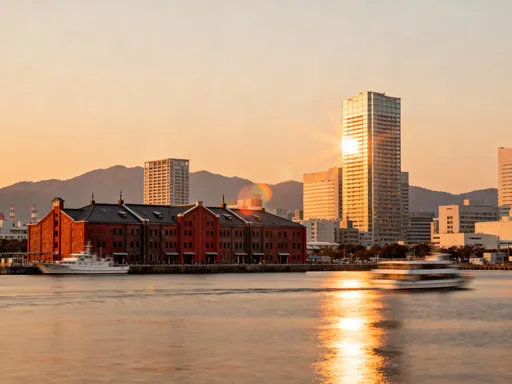
At the heart of Yokohama’s architectural narrative stands the Red Brick Warehouse, or Akarenga, a pair of 19th-century customs and storage buildings that have been meticulously preserved and repurposed. Built in the Meiji era—specifically 1911 and 1913—these structures were once the backbone of Japan’s international trade. Constructed with red bricks imported from the UK and designed with Western industrial techniques, they symbolize the moment Japan began to engage with global commerce on its own terms. Today, they house shops, restaurants, and event spaces, their arched windows and weathered facades offering a tangible connection to the past.
The preservation of the Red Brick Warehouse is a testament to Yokohama’s respect for heritage. Unlike cities that demolish old buildings for new development, Yokohama chose to adapt. Restoration efforts in the late 1980s and early 2000s focused on maintaining original materials while upgrading infrastructure for modern use. The result is not a museum piece frozen in time, but a living space that continues to serve the community. Visitors walking through its vaulted halls can feel the weight of history in the thick brick walls, yet enjoy the comfort of contemporary amenities. This balance between preservation and function is a hallmark of Yokohama’s architectural philosophy.
The Meiji era marked a turning point in Japanese architecture, and Yokohama was at the forefront. As foreign residents settled in the Yamate district, they brought European styles—Victorian, Gothic Revival, and Queen Anne—leading to the construction of homes with gabled roofs, wooden verandas, and stained glass. These influences did not replace Japanese design but merged with it, creating hybrid forms that reflected the city’s cosmopolitan identity. The former British Consulate, now a museum, exemplifies this fusion: its Western frame incorporates Japanese craftsmanship in woodwork and interior layout.
What makes Yokohama’s historical core so compelling is not just the survival of old buildings, but their integration into daily life. The Red Brick Warehouse hosts seasonal markets and live music, drawing families and tourists alike. Nearby, the Yokohama Archives of History document the city’s transformation, housed in a building that mirrors the Meiji-era aesthetic. These spaces do not merely display the past—they invite participation. For the 30- to 55-year-old woman who values both tradition and practicality, Yokohama offers a model of how cities can honor history without becoming static.
Modern Icons: The Skyline That Defines a Forward-Looking City
Rising above the harbor like a shard of polished glass, the Yokohama Landmark Tower stands as a symbol of the city’s economic ambition and architectural confidence. At 296 meters, it is the second-tallest building in Japan, surpassed only by the Azabudai Hills Mori JP Tower in Tokyo. Completed in 1993, the tower was designed by the renowned architectural firm Nikken Sekkei, known for its emphasis on efficiency, elegance, and environmental responsiveness. Its sleek, tapered form minimizes wind resistance, a crucial feature in a city prone to typhoons, while its reflective glass facade captures the changing light of the sky and sea.
The Landmark Tower is more than an office building—it is a destination. The 69th-floor observatory, Sky Garden, offers panoramic views stretching from Mount Fuji on clear days to the bustling streets below. What makes this experience unique is not just the height, but the sense of connection it fosters. Visitors can see the Red Brick Warehouse, Minato Mirai, and the Bay Bridge in a single sweep, visually linking Yokohama’s past, present, and future. The tower’s interior is equally impressive, with a grand atrium, high-speed elevators, and energy-efficient systems that reduce its environmental footprint.
The Landmark Tower is part of a broader skyline that includes the Yokohama Marine Tower, the K World Building, and the strikingly curved Yokohama Bay Tower. Together, these structures form a harmonious ensemble rather than a chaotic jumble. Unlike cities where skyscrapers compete for attention, Yokohama’s high-rises follow a coherent vision. Building heights are regulated to preserve sightlines to the water, and setbacks ensure that sunlight reaches the streets below. This thoughtful planning reflects a commitment to livability, not just spectacle.
For families and visitors, the skyline is not just admired from afar—it is experienced up close. The Landmark Tower connects directly to Queen’s Square, a complex that includes a shopping mall, hotel, and convention center. This vertical integration of functions makes the area convenient and accessible, especially for women managing multiple roles—professional, caregiver, traveler. The design prioritizes ease of movement, safety, and comfort, with clear signage, clean restrooms, and seating areas. In Yokohama, modernity does not mean impersonal; it means thoughtful.
Minato Mirai: A Planned District with Architectural Vision
Minato Mirai, which means “future harbor,” is Yokohama’s boldest architectural statement. Developed in the 1980s as part of a large-scale urban renewal project, this waterfront district transformed a former industrial zone into a model of sustainable, human-centered design. The vision was clear: create a space where work, leisure, culture, and nature coexist. Today, Minato Mirai delivers on that promise, offering wide promenades, public plazas, and buildings that prioritize both aesthetics and function. It is a place where families can stroll by the water, professionals meet in glass-walled offices, and tourists marvel at the skyline—all within a cohesive, walkable environment.
One of the district’s most iconic features is the Cosmo Clock 21, a Ferris wheel originally built for an amusement park and later relocated to Yamashita Park. Standing at 112.5 meters, it is one of the tallest in the world and offers a unique perspective on the city. Its bright red frame contrasts with the surrounding glass towers, creating a playful counterpoint to the sleek modernity of the skyline. At night, it lights up in colorful patterns, becoming a beacon of joy and celebration. For mothers and daughters, couples, and solo travelers, a ride on the Cosmo Clock is both thrilling and serene—a moment of pause in a fast-paced world.
The Yokohama Museum of Art, housed in a striking modern building with a spiral ramp and natural light-filled galleries, anchors the cultural life of Minato Mirai. Designed by Taniguchi Yoshio, the museum’s architecture reflects its mission: to make art accessible and engaging. The building’s open layout encourages exploration, with no single path through the exhibitions. Similarly, the Yokohama Landmark Tower and Queen’s Tower residences demonstrate how high-density living can be elegant and livable. Balconies, green roofs, and shared amenities foster a sense of community, even in a vertical environment.
What sets Minato Mirai apart is its attention to human scale. Despite its modernity, the district avoids the coldness that can plague new developments. Sidewalks are wide, benches are plentiful, and trees provide shade. The ratio of built space to open space is carefully balanced, ensuring that the area never feels overwhelming. Pedestrian bridges connect buildings safely, and underground passages keep shoppers dry during rain. For a woman managing a household, this level of thoughtfulness is not just appreciated—it is essential. Minato Mirai proves that a city can be futuristic without sacrificing warmth.
Hidden Gems: Offbeat Buildings with Unique Stories
Beyond the well-trodden paths of Minato Mirai and Chinatown lies a quieter, more intimate Yokohama—one revealed in the leafy lanes of the Bluff area and the preserved homes of Yamate. Here, colonial-era residences with wooden latticework, steep tiled roofs, and wraparound verandas stand as silent witnesses to the city’s international past. The former British Consulate, now open to the public, offers guided tours that delve into diplomatic history and architectural detail. Its high ceilings, fireplaces, and imported furniture speak of a time when Yokohama was a hub for foreign diplomats and traders.
The Yokohama Silk Museum, housed in a restored Meiji-era building, tells another layer of the city’s story. Silk was one of Japan’s most valuable exports in the 19th century, and Yokohama played a central role in its global trade. The museum’s exhibits include original machinery, silk garments, and interactive displays that explain the intricate process of sericulture. The building itself, with its thick wooden beams and traditional joinery, reflects the craftsmanship of the era. For visitors interested in cultural heritage, it offers a rare, tactile connection to the past.
Another hidden gem is the Kanagawa Prefectural Office, a lesser-known but architecturally significant building with a grand dome and symmetrical façade. Completed in 1927, it combines Western neoclassical elements with Japanese attention to detail. The interior features handcrafted tiles, ornate staircases, and stained glass, all preserved with care. Though it functions as a government building, parts of it are open to the public, offering a glimpse into a dignified, understated form of civic architecture.
These offbeat sites may not draw the largest crowds, but they offer the deepest resonance. They are not designed for mass tourism but for discovery. For the woman who values authenticity and quiet reflection, these spaces provide a counterbalance to the energy of the city center. They remind us that Yokohama’s identity is not defined by a single landmark but by a mosaic of moments—each building a chapter in a larger story of resilience, exchange, and quiet pride.
Cultural Spaces: Where Design Meets Experience
In Yokohama, architecture is not just about shelter or symbolism—it is about experience. This is most evident in the city’s cultural institutions, where design enhances function and deepens engagement. The Yokohama Museum of Art, already noted for its spiral layout, uses architecture to guide emotional and intellectual journeys. Natural light filters through skylights, changing the mood of the galleries throughout the day. The absence of rigid partitions allows for fluid movement, encouraging visitors to linger and reflect. For a mother bringing her children, or a woman exploring solo, the space feels inviting, not intimidating.
The Yokohama Civic Art Gallery, located in the Naka ward, takes a different but equally thoughtful approach. Housed in a modern building with large glass walls, it blurs the boundary between inside and outside. Exhibits often spill into the surrounding park, creating a dialogue between art and nature. The gallery’s design prioritizes accessibility, with ramps, elevators, and tactile guides for visitors with visual impairments. This inclusivity reflects a broader value in Yokohama’s urban planning: that culture should be available to all, regardless of age, ability, or background.
Theater and performance spaces also benefit from intelligent design. The Pacifico Yokohama convention center, used for concerts, conferences, and exhibitions, features acoustically optimized halls and flexible seating arrangements. Its architecture supports not just sound quality but audience comfort, with ample space, good sightlines, and climate control. For families attending a performance, these details matter. They allow the focus to remain on the experience, not the discomfort.
Even public libraries and community centers in Yokohama reflect this design ethos. The Tsurumi Library, for example, features warm wood finishes, quiet reading nooks, and children’s areas with colorful, engaging layouts. These spaces are not afterthoughts but central to the city’s vision of well-being. They recognize that architecture shapes not just how we move through a city, but how we feel within it. For the woman who seeks balance—between work and rest, family and self—Yokohama’s cultural spaces offer sanctuary and inspiration.
Practical Tips for Exploring Yokohama’s Architectural Landscape
To fully appreciate Yokohama’s architectural diversity, a well-planned route is essential. A recommended walking path begins at Chinatown, one of the largest in the world, where red gates, dragon motifs, and bustling markets create a vibrant sensory experience. From there, a 15-minute walk along Motsuji Street leads to the Red Brick Warehouse, with views of the harbor throughout. Continuing west, visitors reach Minato Mirai, where the Landmark Tower and Cosmo Clock 21 dominate the skyline. This route, approximately 2.5 kilometers, is flat, well-signed, and lined with cafes and rest areas—ideal for families or those preferring a relaxed pace.
Another rewarding path connects Yamate and Motomachi. Starting at Yamate Station, travelers can explore the Bluff area, home to preserved foreign residences and the former British Consulate. A short downhill walk brings them to Motomachi, Yokohama’s answer to Tokyo’s Omotesando—a tree-lined shopping street with boutiques, bakeries, and flower shops. This route offers a contrast between historical charm and modern elegance, perfect for a half-day outing. Both walks are safe, well-lit, and stroller-friendly, making them suitable for mothers with young children.
For those using public transit, Yokohama is exceptionally well-connected. The JR Lines, Yokohama Municipal Subway, and the automated Port Liner provide efficient access to all major districts. The Port Liner, in particular, offers scenic elevated views of Minato Mirai and is free with certain tourist passes. Visitors arriving from Tokyo can take the Tokyu Toyoko Line or the JR Keihin-Tohoku Line, both of which connect directly to key stations. Free shuttle buses also run between the train stations and major attractions, reducing walking distance for those with limited mobility.
Timing matters. Early mornings and weekdays are ideal for avoiding crowds, especially at popular sites like the Landmark Tower observatory. Golden hour—just before sunset—offers the most dramatic lighting, with the harbor glowing in warm hues and the skyline reflecting in the water. Spring and autumn provide the most comfortable temperatures, while cherry blossoms in March and illuminations in December add seasonal beauty. With careful planning, a visit to Yokohama becomes not just a trip, but a meaningful experience of architecture, culture, and connection.
Yokohama’s architecture is more than steel and stone—it’s a narrative of resilience, exchange, and vision. By walking its streets, you don’t just see buildings; you feel the pulse of a city that honors its roots while reaching forward. Whether you're drawn to history or innovation, this port city offers a masterclass in how urban spaces can evolve without losing soul. The real journey begins when you start seeing cities not just as destinations, but as stories built to last.