Why You’ve Gotta Drive to These Hidden Natural Gems Near Surabaya
You know that feeling when you hit the open road with no traffic, no crowds, just you and the wild? Driving from Surabaya opens up something most tourists never see—untouched nature reserves tucked away beyond the city buzz. I didn’t expect much at first, but what I found was absolutely stunning: lush forests, rare wildlife, and quiet trails where you can actually hear your own thoughts. This isn’t just a trip—it’s a real escape. And honestly? You gotta experience it yourself.
The Freedom of the Open Road: Why Driving Changes Everything
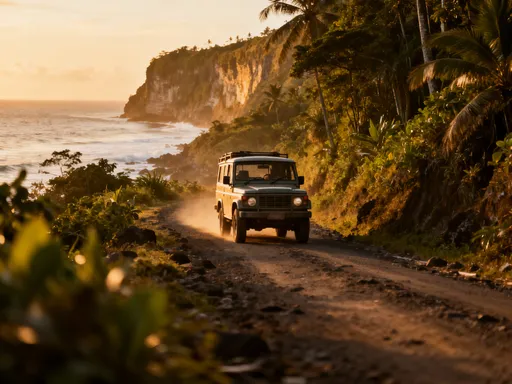
There is a quiet magic in setting off from Surabaya with the windows down, the breeze carrying the scent of frangipani and distant rain, and the highway stretching ahead like an invitation. While many visitors rely on guided tours or public transport, driving gives you something far more valuable—freedom. Freedom to stop where no one else does, to arrive before dawn, to linger at a riverbank until the light fades. It’s this autonomy that transforms a simple day trip into a personal journey of discovery.
East Java’s terrain is as varied as it is beautiful, shifting from bustling urban centers to terraced rice fields, volcanic highlands, and coastal forests—all within a few hours’ drive. Public transportation in the region, while functional, often follows fixed routes and schedules that limit access to more remote natural areas. Many of the region’s most pristine parks and reserves lie beyond the reach of buses or trains, accessible only by car or motorbike. When you drive, you’re not just moving from point A to point B—you’re weaving through the rhythm of local life, passing small warungs, farmers on scooters, children waving from village paths.
Driving also allows you to travel at your own pace, a crucial advantage when visiting natural parks. You can time your arrival to catch sunrise over a crater lake or reach a secluded beach before the midday heat. You’re not bound by the departure times of tour groups, nor do you have to compete for space at popular viewpoints. The ability to explore off-peak hours makes all the difference, especially in places like Bromo or Baluran, where early mornings offer cooler temperatures and fewer people.
Moreover, self-driving fosters a deeper connection with the landscape. As you navigate winding mountain roads or cross wooden bridges over jungle streams, you begin to notice subtle shifts—the change in vegetation, the calls of different birds, the scent of eucalyptus in highland air. These sensory details create a richer, more immersive experience than any guided narrative can provide. For the mindful traveler, the journey itself becomes part of the destination, a slow unfolding of East Java’s natural soul.
Alas Purwo National Park: Where Jungle Meets Coastline
Nestled on the far southeastern tip of Java, Alas Purwo National Park is a sanctuary of raw, untamed beauty. Spanning over 40,000 hectares, it is one of Indonesia’s oldest and most ecologically significant protected areas. What makes Alas Purwo truly unique is its convergence of ecosystems—dense lowland rainforest, open savanna, mangrove swamps, and rugged coastline all exist within a single park. Few places in Java offer such biodiversity, making it a haven for nature lovers and wildlife watchers alike.
The name “Alas Purwo” translates to “The First Forest,” a fitting tribute to its ancient origins and spiritual significance in Javanese culture. Local legends speak of the forest as a place of meditation and retreat, a belief echoed by the many hermitages scattered throughout the park. Today, it remains a refuge not only for people seeking solitude but also for endangered species like the Javan rusa deer, wild boar, and the elusive Javan leopard. Along the coast, green sea turtles return year after year to nest on isolated beaches such as Pancur and Teluk Merah, where conservation efforts have helped protect their fragile breeding grounds.
Reaching Alas Purwo from Surabaya takes about five to six hours by car, depending on traffic and road conditions. The journey begins on the smooth toll roads of eastern Surabaya, then transitions to two-lane highways that wind through coastal towns like Banyuwangi and Rogojampi. The final stretch requires navigating narrower rural roads, but signage is generally clear. The main entrance is located at Sarongan, where visitors can register, obtain permits, and hire local guides if desired. Park fees are modest and contribute directly to conservation and community programs.
Once inside, the park offers a network of well-marked trails leading to waterfalls, caves, and coastal lookouts. One of the most popular hikes is the trek to Goa Istana, a limestone cave believed to have been used by ancient hermits. The sound of dripping water and the cool, damp air inside create an almost sacred atmosphere. For those seeking ocean views, the trail to Pantai Teluk Merah rewards hikers with panoramic vistas of crashing waves and black sand beaches. Camping is permitted in designated areas, and many travelers choose to spend the night under the stars, lulled by the sound of the sea and the distant calls of nocturnal animals.
Bromo Tengger Semeru National Park: Volcanic Majesty Within Reach
No exploration of East Java’s natural wonders is complete without a visit to Bromo Tengger Semeru National Park, home to one of the most iconic landscapes in Indonesia. At its heart lies Mount Bromo, an active volcano rising like a sentinel from the vast Sea of Sand—a surreal expanse of volcanic ash and cinder that stretches for kilometers. Beyond it, the snow-capped peak of Mount Semeru, Java’s highest mountain, often wreathed in clouds, adds to the dramatic scenery. This is a place where earth, fire, and sky seem to converge in breathtaking harmony.
Driving from Surabaya to the park takes approximately three to four hours, with the final destination being the highland village of Cemoro Lawang, the usual base for sunrise treks. The ascent into the Tengger highlands brings a welcome drop in temperature, a relief after the coastal heat. As the road climbs, the landscape transforms—neatly terraced farms give way to misty pine forests and open volcanic plains. The air grows crisp, and the silence deepens, broken only by the occasional crow of a rooster or the distant chime of temple bells.
One of the greatest advantages of driving is the ability to arrive early. Most organized tours leave Surabaya in the middle of the night, but self-drivers can time their arrival to reach Cemoro Lawang by 3:00 or 4:00 a.m., just in time to begin the short trek to the viewing point at Penanjakan. Standing there as dawn breaks is an experience that defies description—the sky shifts from indigo to gold, the mist swirls in the valley, and suddenly, the entire caldera is illuminated, with Mount Bromo’s crater glowing faintly with plumes of smoke. The view draws photographers, pilgrims, and dreamers from around the world, yet few moments in nature feel as profoundly still.
While the sunrise is the highlight, the park offers much more. Visitors can ride horses or hike across the Sea of Sand to the base of Mount Bromo, where a steep staircase leads to the crater’s edge. The climb is short but challenging in the thin air, and the smell of sulfur serves as a reminder of the volcano’s power. For the more adventurous, trekking to the summit of Mount Semeru is possible with proper permits and guides, though it requires multiple days and a high level of fitness. Throughout the park, Tenggerese people—descendants of the ancient Majapahit kingdom—maintain temples and conduct rituals, adding a spiritual dimension to the landscape.
Driving allows travelers to explore at their own rhythm, perhaps spending a second day visiting nearby villages, hot springs, or lesser-known viewpoints like Widodaren, where the view of Bromo is framed by natural rock arches. It’s a chance to see the park beyond the postcard moment, to understand it as a living, breathing place shaped by both nature and culture.
Baluran National Park: Java’s “Africa” in the East
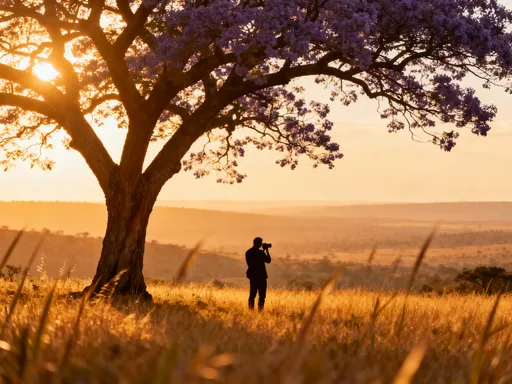
If you’ve ever imagined what an African savanna might look like in Southeast Asia, Baluran National Park offers a surprising answer. Located in Situbondo, about four hours east of Surabaya, this 25,000-hectare reserve is unlike any other in Java. Its open grasslands, dotted with teak trees and bordered by coastal forests, create a landscape more reminiscent of East Africa than tropical Indonesia. Locals often call it “Little Africa,” and for good reason—herds of banteng (wild cattle), groups of long-tailed macaques, and flocks of peafowl roam freely across the plains.
The centerpiece of the park is the Bekol Savanna, a vast meadow that comes alive at dawn and dusk. This is the best time for wildlife viewing, when animals emerge to graze under the soft morning light. With a bit of patience and a good pair of binoculars, you might spot gray deer, wild boars, or even the rare silver leaf monkey. Birdwatchers will find Baluran especially rewarding—over 150 species have been recorded here, including the majestic brahminy kite, the oriental honey-buzzard, and the vibrant blue-winged leafbird.
Driving through Baluran is an experience in itself. The main road from the entrance at Bama to Bekol is well-paved and safe, allowing for a smooth journey through different ecological zones. Along the way, you’ll pass mangrove forests, where kingfishers dart among the roots, and freshwater ponds that attract egrets and storks. The park is designed for self-guided exploration, though hiring a local ranger as a guide is recommended for first-time visitors. They can help spot animals, explain the ecosystem, and ensure you follow park rules.
The Bama Beach area, just beyond Bekol, offers a peaceful coastal escape. The white sand and calm waters make it ideal for a quiet swim or a picnic. A short trail leads to a lighthouse with panoramic views of the Java Sea. Unlike many tourist beaches, Bama remains relatively undeveloped, preserving its natural charm. Camping is allowed in designated zones, and many families choose to spend a night under canvas, enjoying the sounds of crickets and distant animal calls.
One of the best strategies for visiting Baluran is to arrive early in the morning. The cool air, golden light, and active wildlife create perfect conditions for photography and quiet reflection. By midday, the sun can be intense, and many animals retreat to shaded areas. Driving back toward Surabaya in the late afternoon allows you to avoid the heat and enjoy a relaxed journey home, perhaps stopping at a roadside fruit stall for fresh mangoes or dragon fruit.
Planning Your Route: Smart Driving Tips for Nature Lovers
While the freedom of the open road is exhilarating, a successful nature-driven journey requires thoughtful preparation. The first step is ensuring your vehicle is in good condition. Long drives on East Java’s varied terrain—ranging from smooth highways to unpaved mountain paths—demand reliable brakes, properly inflated tires, and a full tank of fuel. It’s wise to carry a spare tire, jack, and basic toolkit, as well as emergency supplies like water, snacks, and a flashlight.
Fuel stations are available in major towns along the way, but they become sparse once you enter more remote areas. It’s a good rule of thumb to refuel whenever you pass a Pertamina station, especially before heading into national parks. For example, fill up in Banyuwangi before entering Alas Purwo, or in Probolinggo before ascending to Bromo. Running low on fuel in isolated regions can lead to long delays, as help may not be readily available.
Navigation is another key consideration. While Google Maps works well in cities and major towns, signal can be weak or nonexistent in rural and mountainous zones. Downloading offline maps via apps like Maps.me or using a GPS device with preloaded routes is highly recommended. Many park entrances are clearly marked, but secondary roads may lack signage. Asking locals for directions is usually effective, as East Javanese communities are known for their hospitality and willingness to help travelers.
Understanding local driving habits can also enhance safety and comfort. Indonesian roads can be unpredictable—motorbikes often weave through traffic, farmers may lead livestock across highways, and sudden rain can make mountain roads slippery. Defensive driving is essential: maintain a safe distance, use your horn sparingly but when necessary, and avoid night driving in unfamiliar areas. If traveling during the rainy season (November to March), check weather forecasts and road conditions, as landslides and flooding can occur in hilly regions.
The ideal time to visit East Java’s natural parks is during the dry season, from April to October. During these months, trails are safer, visibility is better, and wildlife is more active. Humidity is lower, and the chances of clear skies—especially for sunrise views at Bromo—are significantly higher. Booking accommodations in advance is advisable during peak months, particularly in Cemoro Lawang or near Baluran’s entrance, as options are limited and fill up quickly.
Responsible Travel: Respecting Nature While You Explore
As more travelers discover the hidden gems near Surabaya, the importance of responsible tourism grows ever more critical. These natural areas are not just scenic backdrops—they are fragile ecosystems that support diverse plant and animal life. Every visitor has a responsibility to minimize their impact and help preserve these places for future generations.
One of the simplest yet most powerful practices is to follow the “Leave No Trace” principle. This means packing out all trash, avoiding single-use plastics, and refraining from picking plants or disturbing wildlife. In parks like Alas Purwo and Baluran, even small actions—such as feeding animals or straying from marked trails—can disrupt natural behaviors and damage habitats. Staying on designated paths protects sensitive vegetation and reduces erosion, especially on volcanic slopes and coastal dunes.
Respecting wildlife is equally important. While it’s tempting to get close for a photo, animals should always be observed from a safe and respectful distance. Feeding them can lead to dependency on humans and alter their natural diets. In Bromo, where horses are used for tours, ensure they are treated humanely—well-rested, properly saddled, and not overworked. Supporting local guides and community-run homestays not only enriches your experience but also ensures that tourism benefits the people who live alongside these parks.
Additionally, adhering to park regulations is a sign of respect. This includes obtaining permits, paying entrance fees, and following fire safety rules—especially during the dry season when grasslands are highly flammable. Open fires are prohibited in most areas, and smoking should only be done in designated zones. By following these guidelines, travelers contribute to conservation efforts and help maintain the integrity of these protected landscapes.
Why These Journeys Stay With You: The Deeper Reward of the Drive
There is a quiet transformation that happens when you trade the noise of the city for the stillness of the wild. Driving to East Java’s hidden natural gems is more than a weekend getaway—it’s an invitation to reconnect. With every mile, the mental clutter fades, replaced by a sense of clarity and presence. You begin to notice things you’ve long ignored: the way light filters through jungle canopy, the rhythm of waves on a deserted shore, the deep silence between bird calls.
These journeys stay with you because they awaken a deeper awareness—not just of nature, but of yourself. In a world that moves too fast, where screens dominate attention and schedules dictate life, the act of driving through untouched landscapes becomes a form of mindfulness. You are not rushing; you are arriving, moment by moment, in a place that demands nothing but your attention.
Moreover, these experiences foster a quiet gratitude for Indonesia’s natural heritage. Seeing a sea turtle crawl to the shore, watching deer graze at dawn, standing in awe before a volcanic sunrise—these are not just memories, but reminders of the planet’s quiet majesty. They inspire a desire to protect, to preserve, to pass on these wonders to children and grandchildren.
So if you’ve been waiting for a reason to hit the road, let this be it. Take the drive, explore with care, and let the wild places near Surabaya remind you of what truly matters. Because the best adventures aren’t just about where you go—they’re about how you return: renewed, aware, and deeply connected to the world around you.